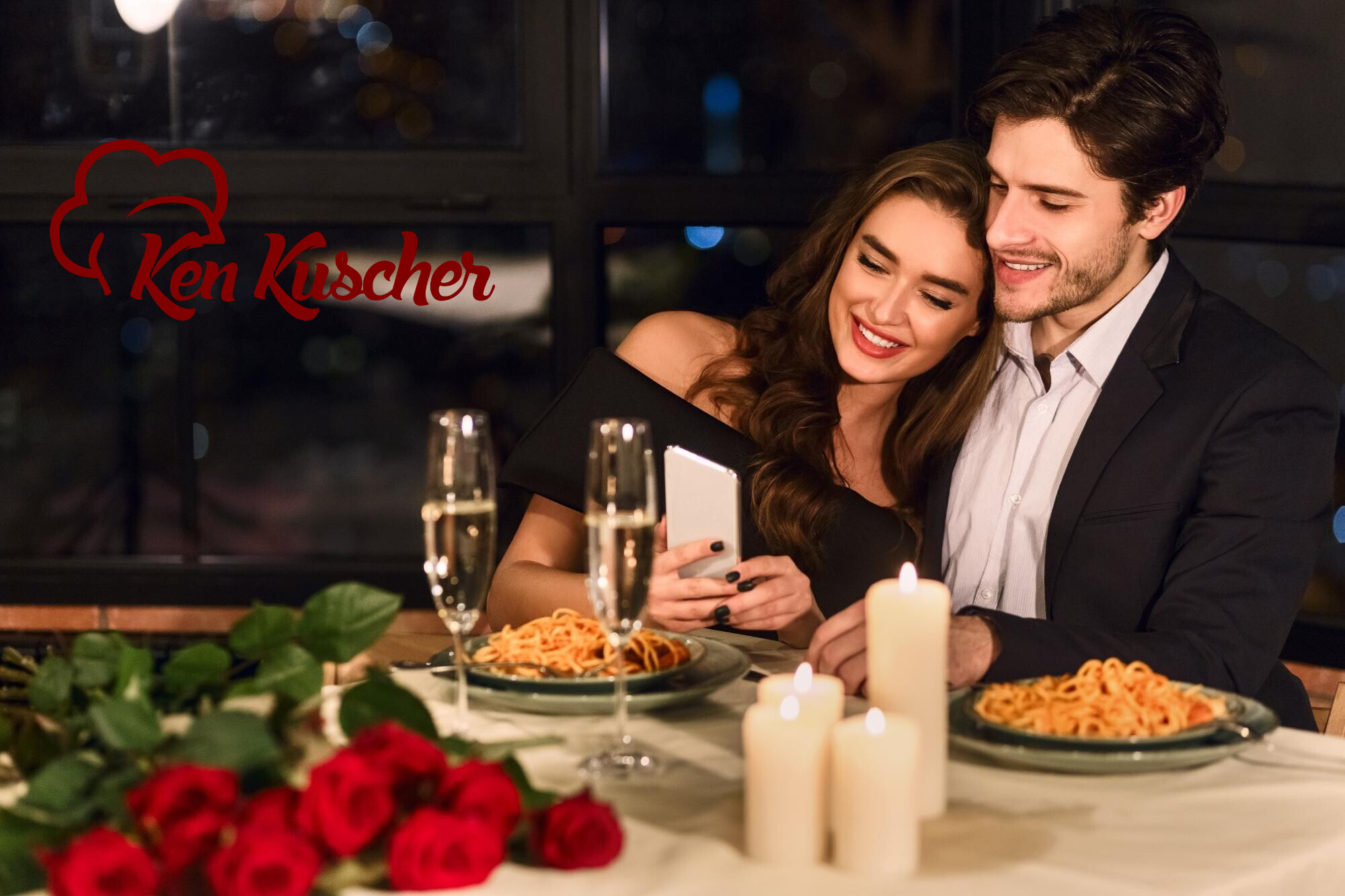
Valentine’s Day has grown into far more than a romantic holiday marked by flowers and candlelit dinners. Within the food industry, February 14th has become one of the most emotionally charged and operationally significant days of the year. Restaurants are not simply serving meals on this date; they are hosting experiences that carry personal meaning, heightened expectations, and lasting impressions for guests.
For many diners, Valentine’s Day represents a moment that will be remembered long after the plates are cleared. First dates, anniversaries, and relationship milestones often hinge on a single evening out, placing restaurants at the center of deeply personal experiences. As a result, the role of food service extends beyond hospitality and into the realm of memory-making.
This unique emotional context makes Valentine’s Day a powerful lens through which to examine the food industry. It reveals how consumer behavior shifts when dining is driven by emotion rather than convenience, how operational systems respond under pressure, and how trust and professionalism are perceived in real time. For food industry professionals, understanding the dynamics of Valentine’s Day provides valuable insight into broader trends, expectations, and standards that shape dining experiences throughout the year.
A Holiday Driven by Emotion Rather Than Convenience
Valentine’s Day stands apart from most dining occasions because it is driven almost entirely by emotion rather than necessity or convenience. Guests are not choosing a restaurant simply because they are hungry or short on time; they are making a deliberate decision meant to symbolize care, effort, and intention. This emotional context transforms the restaurant visit into a meaningful event rather than a routine transaction.
Because of this, diners approach Valentine’s Day meals differently. They plan ahead, research options, and often align their choice with the type of experience they want to create, romantic, intimate, celebratory, or memorable. Elements such as ambiance, pacing, presentation, and attentiveness carry more weight than they would on a typical night.
This emotional framing also affects how guests perceive value. Price becomes secondary to experience, and convenience gives way to expectation. Restaurants are not simply competing on menu offerings but on their ability to deliver an atmosphere that feels worthy of the moment. For the food industry, this makes Valentine’s Day a powerful example of how emotion influences consumer behavior, and why experience-driven dining continues to shape modern hospitality.
Why Do Small Service Issues Feel Bigger on Valentine’s Day?
On Valentine’s Day, expectations are emotionally anchored rather than practically grounded. Guests arrive with a mental picture of how the evening should unfold, and any disruption to that picture can feel disproportionately significant.
Behavioral data from the U.S. Bureau of Labor Statistics shows that emotionally motivated spending increases sensitivity to perceived value and fairness. When people associate a purchase with personal meaning, their tolerance for inconvenience drops.
This is why minor delays, miscommunications, or awkward interactions, issues that might be easily forgiven on a typical evening, can feel amplified on February 14th. The experience is being judged not just on execution, but on emotional fulfillment.
Spending Patterns Shift Dramatically on Valentine’s Day
Valentine’s Day consistently drives higher per-guest spending than most other dining occasions. This shift is not accidental, it reflects how consumers mentally categorize the experience. Instead of viewing the meal as a routine expense, diners treat it as a gift or an investment in a relationship. This reframing alters purchasing behavior in measurable ways.
Guests are more likely to accept prix-fixe menus, order premium beverages, add desserts, or opt for curated experiences that include pairings or special presentations. The focus moves away from value comparison and toward perceived quality and emotional payoff. Dining time often extends longer as well, further reinforcing the idea that the meal is an event rather than a transaction.
For restaurants, these spending patterns create both opportunity and responsibility. While higher checks are common, they come with increased expectations. Guests expect pricing to align with experience, service, and atmosphere. Valentine’s Day demonstrates how emotional context can temporarily override price sensitivity, and why transparency and consistency remain critical even when consumers are willing to spend more.

Why Do Diners Spend More Money Dining Out on Valentine’s Day?
Valentine’s Day dining is psychologically framed as a symbolic purchase. Guests are not paying solely for food; they are paying for an experience that represents care, effort, and intention.
Because the meal is perceived as a gift, traditional price sensitivity decreases. Higher prices are accepted when they align with expectations of quality, ambiance, and service. This behavior mirrors broader consumer research showing that emotionally driven purchases prioritize meaning over efficiency.
For the food industry, this insight extends beyond Valentine’s Day. It explains why experience-focused dining continues to grow and why storytelling, atmosphere, and service flow play an increasingly important role in long-term success.
A Diverse Dining Room with One Shared Expectation
One of the unique challenges of Valentine’s Day is the diversity of guests sharing the same dining space. First dates, long-term couples, friends, and solo diners all bring different motivations and emotional states into the restaurant. Each group experiences the environment through a different lens, yet all expect the experience to feel intentional and well-managed.
First dates tend to be highly sensitive to pacing and atmosphere, while long-term couples may prioritize comfort and consistency. Groups may focus more on energy and shared enjoyment. Despite these differences, there is a common expectation that the restaurant understands the significance of the occasion.
Meeting that expectation requires flexibility and situational awareness from staff and management. Service must feel personalized without being intrusive, efficient without being rushed. Valentine’s Day highlights the importance of adaptability in hospitality, demonstrating that successful operations are not just about executing a plan, but about responding thoughtfully to varied human experiences in real time.
Why Does Valentine’s Day Generate So Many Online Reviews and Social Posts?
Experiences tied to personal stories are more likely to be shared. Valentine’s Day meals are inherently narrative, romantic gestures, anniversaries, first impressions, and celebrations all create moments people want to document.
Guidance from the Federal Trade Commission highlights that consumers are more inclined to post reviews when experiences carry emotional significance or deviate strongly from expectations. Valentine’s Day intensifies both factors, making it a catalyst for online engagement.
This visibility amplifies the importance of consistency and professionalism. Valentine’s Day shows how quickly dining experiences can influence public perception and brand reputation. For the food industry, it reinforces the idea that every guest interaction has the potential to extend far beyond the dining room through digital channels.
Testing Concepts Under Real Conditions
Many restaurants intentionally use Valentine’s Day as a testing ground for new ideas. Limited-time menus, prix-fixe pricing, themed décor, reservation policies, and service choreography are often introduced or refined during this holiday. The combination of high demand and heightened attention provides immediate, real-world feedback.
What works on Valentine’s Day often informs future strategy. Successful menu items may return for other holidays. Pricing structures can be adjusted based on guest response. Service flow improvements identified under pressure may become permanent operational changes.
At the same time, Valentine’s Day exposes weaknesses that might remain hidden during normal service. Bottlenecks, communication gaps, or staffing challenges become clear when volume and expectations peak simultaneously. This makes the holiday a valuable learning opportunity, not just a revenue event, but a diagnostic tool that reveals how concepts perform when conditions are least forgiving.
Context Matters When Evaluating Performance
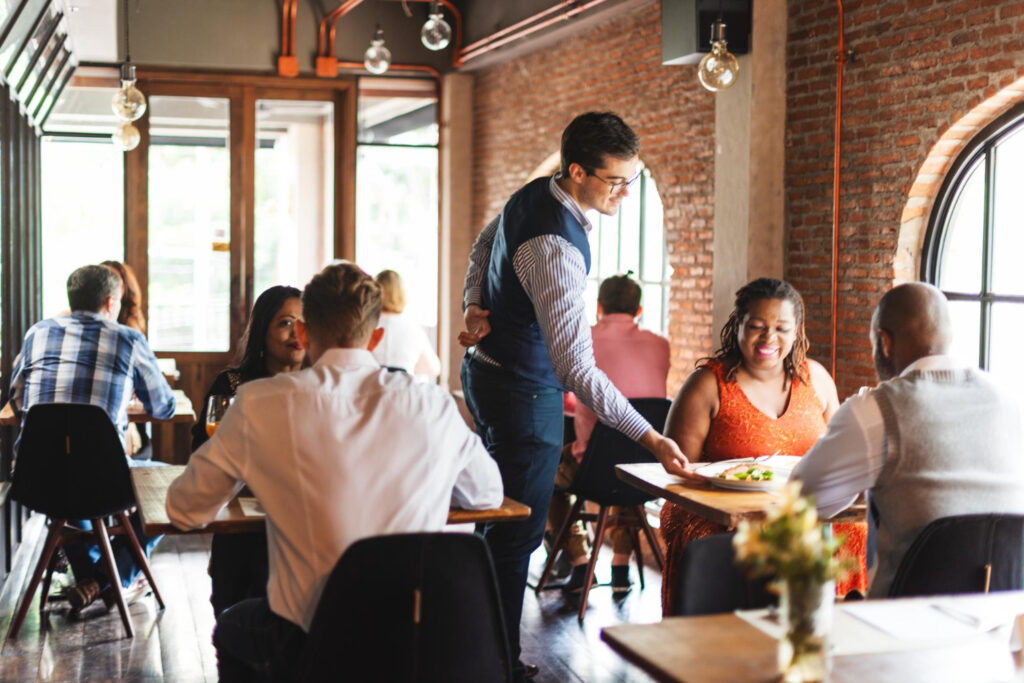
Because Valentine’s Day carries unique operational demands, it is often referenced when assessing restaurant performance in broader professional contexts. Understanding what is reasonable under holiday pressure requires industry knowledge and real-world perspective.
This is why experienced professionals, such as a restaurant expert witness, frequently consider holiday conditions when evaluating service execution, operational decisions, or disputes within the food industry.
For professionals analyzing food service operations, this holiday serves as a reminder that performance cannot be separated from circumstance. Context provides clarity, helping distinguish between unavoidable challenges and preventable failures.
What Can Valentine’s Day Reveal About Long-Term Restaurant Operations?
Valentine’s Day offers a concentrated view of how restaurant systems function under stress. Communication, leadership, teamwork, and adaptability are all tested simultaneously. How an operation responds on this day often mirrors how it responds to pressure throughout the year.
Strong operations demonstrate resilience, clear leadership, and consistent execution even when demand peaks. Weaker systems reveal recurring issues, such as misaligned staffing, unclear processes, or poor communication, that may resurface during other high-stakes moments.
Because of this, Valentine’s Day can be an indicator rather than an anomaly. Patterns observed during this holiday often reflect deeper operational realities. For food industry professionals, these insights are valuable well beyond February, informing decisions about training, planning, and long-term strategy.
Trust as the Foundation of Holiday Dining
At its core, Valentine’s Day dining relies on trust. Guests trust that reservations will be honored, pricing will be clear, service will be respectful, and experiences will feel thoughtfully managed.
That same trust underpins broader food industry relationships, from compliance and training to credentialing and professional evaluation. Resources such as florida food handler certificates help establish baseline competence across the industry, reinforcing consumer confidence even when the focus is on celebration rather than regulation.
This dynamic mirrors broader relationships within the food industry, where trust underpins interactions between operators, staff, regulators, and consumers. Valentine’s Day highlights how trust is not built through perfection, but through consistency, honesty, and thoughtful response under pressure.

The Broader Impact Beyond One Holiday
While Valentine’s Day lasts only one evening, its influence extends throughout the year. Lessons learned often shape how restaurants approach other emotionally significant occasions, from anniversaries to private events and seasonal celebrations.
The holiday reinforces the importance of experience-driven dining and reminds industry professionals that food service is deeply human. Emotion, expectation, and connection all play a role in how dining experiences are perceived and remembered.
By understanding why Valentine’s Day carries such weight, food industry professionals gain insight into consumer behavior that applies far beyond February 14th. The holiday becomes a lens through which the broader dynamics of hospitality, trust, and experience can be better understood.
A Moment That Reflects the Industry Itself
Valentine’s Day offers a rare and concentrated reflection of the food industry as a whole. In a single evening, the pressures, expectations, and realities that shape food service throughout the year come into sharp focus. Emotional demand, operational complexity, financial stakes, and public visibility all intersect at once, revealing how restaurants truly function when every element matters.
This moment highlights the deeply human nature of the industry. Food service is not only about preparation and delivery; it is about trust, communication, and the ability to perform under emotional and logistical pressure. Valentine’s Day exposes whether systems are built to support people, both guests and staff, or whether they rely on conditions that only work when demand is predictable and expectations are low.
The holiday also underscores how perception and reality interact. A restaurant may execute well operationally, yet still fall short if the experience does not align with guest expectations. Conversely, thoughtful service and transparency can elevate an experience even when challenges arise. Valentine’s Day makes these dynamics impossible to ignore.
In this way, the holiday serves as a mirror for the industry itself, reflecting its strengths, vulnerabilities, and capacity to deliver meaningful experiences when it matters most.