
The restaurant industry has always been a powerful engine of entrepreneurship in the United States, but over the past five years, one segment has consistently stood out as an undeniable economic force: franchising. While many sectors have experienced uneven recovery, slowed growth, or volatility, franchised food brands have steadily expanded, often at nearly double the rate of the overall economy.
For owners, operators, investors, and teams across the food industry, this trend is more than a financial headline. It’s a window into how the market is evolving, where opportunities are emerging, and why certain business models continue to deliver resilience and stability in uncertain times.
This article breaks down why franchising has outpaced U.S. economic growth, what factors are driving this momentum, and how food brands, big and small, can leverage these insights to build stronger operations and long-term success. It’s purely educational and informative, while still offering direct value to those who work in food service daily.
Along the way, you’ll also find carefully placed resources, including trusted external references and helpful internal links for those who may eventually explore certification options or expert services within the food industry.
The Franchise Model: Built for Stability, Efficiency, and Scalable Growth
The franchise model has long been recognized as a structure built for stability, efficiency, and scalable growth, offering a powerful combination of entrepreneurial independence and corporate-backed support. In today’s food industry, where rising costs, shifting labor markets, and evolving customer expectations make the environment more complex than ever, this model has become even more valuable. Franchising gives operators an advantage by providing not only a proven concept already accepted by consumers, but also the systems, technology, and operational foundations needed to navigate an increasingly competitive market. Unlike independent restaurants, which must build everything from the ground up, franchises come equipped with established standards, brand recognition, and operational strategies that reduce uncertainty and create a reliable path forward.
1. A Proven Playbook in Uncertain Times
Independent restaurant owners often enter the market with passion and vision, but they must overcome a long list of challenges before their business can gain traction. They need to create brand awareness from scratch, build a customer base without corporate marketing support, develop operational systems, manage supply chain relationships, ensure compliance with food safety and labor regulations, and handle all staffing and training responsibilities internally. On top of that, they must constantly adapt to rapid changes in consumer preferences, whether that means integrating new menu trends, meeting demand for faster service, or implementing digital ordering tools.
2. Strong Post-Pandemic Adaptability
The pandemic highlighted one of franchising’s greatest strengths: the ability to adapt quickly and effectively across large networks. When dining rooms shut down, franchised brands moved at impressive speed, rolling out solutions that kept business flowing even under extreme restrictions. Many chains rapidly optimized drive-thru systems, invested in digital ordering platforms, expanded loyalty program incentives, and introduced curbside pickup and contactless payment options. These weren’t experimental ideas, they were systematic responses that could be deployed across hundreds or thousands of locations because the infrastructure already existed. Independent restaurants often lacked the resources, technology, or operational capacity to pivot this quickly, resulting in slower recovery or permanent closures. Franchised brands, however, used their scale to implement changes instantly, ensuring continuity and customer satisfaction. This adaptability not only helped franchises survive the pandemic but also positioned them for accelerated growth in the years that followed.

3. Access to Capital and Investor Confidence
Another major factor behind the rapid expansion of franchised food brands is the strong financial confidence they inspire among lenders and investors. Banks and financial institutions are more likely to approve loans for franchise operators because these businesses come with documented performance histories, established customer bases, and operational models that have proven successful across multiple locations. This reduces the perceived risk for lenders and increases franchisees’ access to capital, whether they are opening their first unit or expanding into multiple locations. Stronger valuations, predictable returns, and reliable cash flow also make franchised concepts particularly appealing to private equity firms, multi-unit operators, and growth-focused investors. This financial stability allows franchised brands to expand even during economic slowdowns, while independent restaurants often face funding challenges during these same periods.
Labor Challenges: Why Franchised Brands Respond Faster and Better
One of the biggest economic pressures in the food industry today is labor. Recruiting, onboarding, training, and retaining staff have become more difficult and costly. Franchises, however, have shown a clear advantage.
1. Streamlined Training Systems
Most franchised brands offer standardized training programs covering:
- food handling
- customer service
- operations
- compliance
- brand culture
These systems allow new hires to integrate quickly and perform consistently regardless of location. When onboarding is more efficient, turnover impacts are reduced, and productivity rises.
For those who eventually need certification, internal resources such as florida food handler certificates best price or region-specific options like florida food handler certificates can support operational standards without disrupting daily workflow.
2. Strong Employer Branding
Well-known franchise brands naturally attract applicants. Workers see opportunities for:
- stable hours
- transferable skills
- growth paths
- predictable environments
This makes hiring less challenging, and often less expensive.
3. Network-Wide Solutions for Workforce Retention
Franchise systems routinely invest in:
- leadership development programs
- employee recognition systems
- standardized wage practices
- comprehensive training libraries
Independent restaurants often cannot scale these initiatives alone, putting them at a competitive disadvantage.
The Data Behind the Growth: Franchising vs. the Overall Economy
According to the International Franchise Association, franchise businesses have outpaced U.S. GDP growth for five consecutive years. Restaurants account for a large portion of this acceleration.
The reasons are clear:
- predictable business models
- stable consumer demand
- rapid adoption of digital systems
- scalable operational efficiencies
- built-in marketing engines
Even as inflation fluctuated and consumer spending shifted, franchised restaurants demonstrated consistent performance, job creation, and expansion, while many industries slowed down.

Key Economic Insights:
Franchised food brands have continued expanding even in periods when new independent businesses declined, supported by strong customer trust in recognizable names and the rapid growth of delivery and digital sales. Their ability to stabilize operations and rebuild teams more quickly than the national average has helped them maintain steady momentum in a shifting economy. The broader takeaway is clear: the franchise model remains remarkably resilient, capable of thriving even in challenging economic cycles.
For additional authoritative context, here are credible external resources you can explore:
- U.S. Small Business Administration – Franchise Resources
- Bureau of Labor Statistics – Food Service Employment Data
- USDA Economic Research Service – Food Sector Trends
Consumer Behavior: Why Guests Gravitate Toward Franchised Brands
The food industry has undergone dramatic shifts in consumer expectations. Convenience, value, and consistency now matter more than ever, and franchised brands are well-positioned to deliver.
1. Reliability and Trust
Guests know what to expect when they walk into a franchised restaurant:
- same flavors
- same portions
- same service style
- same cleanliness standards
This predictability drives loyalty, especially among families and busy professionals.
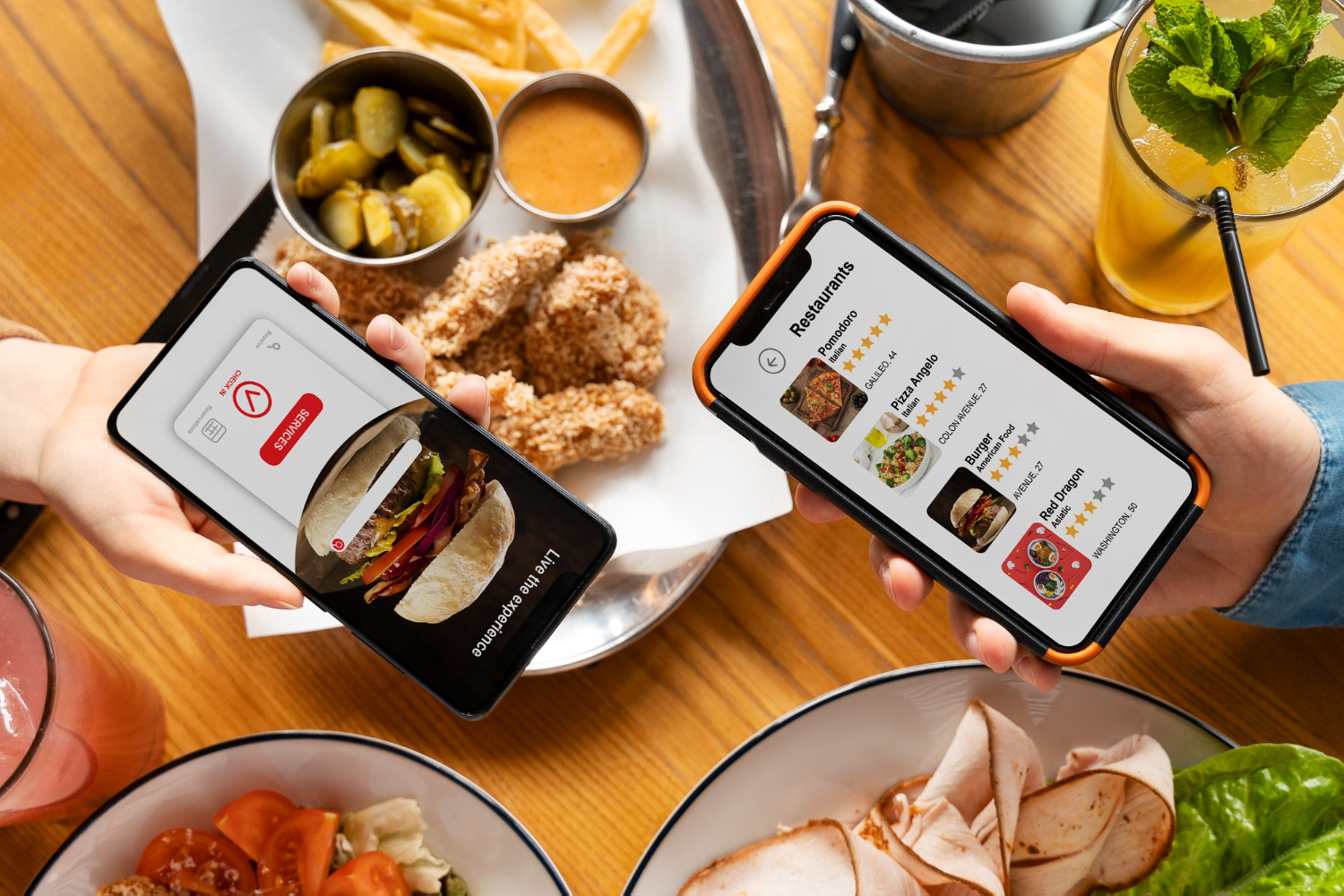
2. Digital Ordering Domination
Franchised brands adopted digital tools faster and at a wider scale than independents:
- branded mobile apps
- loyalty reward programs
- integrated delivery partnerships
- nationwide promotions
These systems boost convenience, strengthen customer retention, and drive repeat traffic.
3. Stronger Value Offerings
With national purchasing power, franchised chains often negotiate better food prices, packaging costs, and marketing rates. This translates into menu stability and competitive pricing for customers, another reason franchised restaurants continue to outperform the market.
Franchising as a Growth Vehicle for Emerging Food Brands
Not long ago, franchising was dominated by major players with decades of history. Today, the model has become more accessible, and attractive, for emerging food concepts.
Why new brands choose franchising:
- the ability to expand without heavy capital investment
- reduced operational risk through distributed ownership
- faster brand recognition
- more efficient territory expansion
- shared marketing and training systems
Young brands that once needed 10–15 years to scale can now expand nationally in a fraction of the time.
This trend also creates new opportunities for operators, suppliers, consultants, and certification providers across the food sector.
Technology: The Secret Weapon Accelerating Franchise Growth
Technology has become a defining factor in why franchising continues to outperform the broader economy. The systems used by large chains create efficiencies that independents simply can’t match.
Key advantages include:
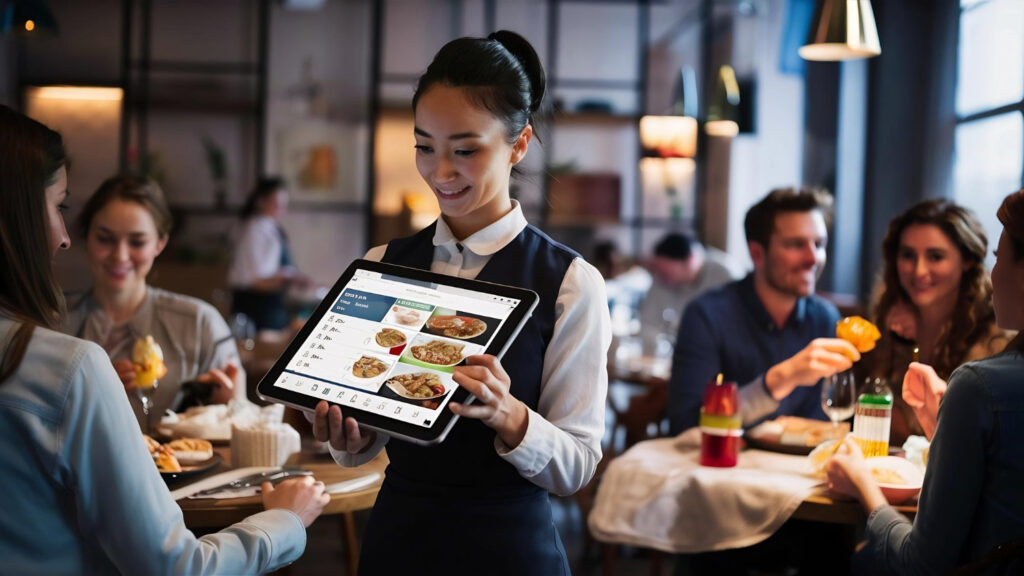
- centralized POS systems
- system-wide analytics and performance dashboards
- automated inventory tracking
- predictive ordering systems
- AI-assisted drive-thru optimization
- national digital promotions
These tools reduce costs, increase profitability, and ensure consistency, three pillars that contribute directly to faster economic growth.
Compliance and Operational Standards: Another Competitive Advantage
Operating any food establishment requires strict adherence to regulations, sanitation standards, and safety practices. Franchised brands benefit from structured compliance systems that simplify and standardize these responsibilities.
For individuals or teams working in food service, resources such as:
- food handler certificates florida
- florida food handlers card
- and expert support like a restaurant expert witness
can add clarity when navigating these standards.
Even though this article is not focused on expert witness or certification topics, these links serve as relevant, helpful resources for readers who work in restaurant compliance or operations on a daily basis.
Economic Ripple Effects: How Franchise Growth Impacts the Larger Food Industry
When franchising grows, its influence extends far beyond operators and corporate offices. The ripple effect benefits suppliers, distributors, employees, and even local communities.
1. Job Creation and Workforce Development
Franchise restaurants consistently rank among the top creators of:
- entry-level jobs
- management-track roles
- long-term career opportunities
Many industry leaders got their start in franchised environments.
2. Strengthening Local Economies
Each new franchised unit:
- leases commercial real estate
- purchases local goods
- pays taxes
- hires local employees
- stimulates nearby businesses
This amplifies the economic advantages beyond the brand itself.
3. Demand for Training, Compliance, and Certification
As franchised restaurants expand, so does the need for safe food handling, regulatory compliance, standardized employee training. This is where many food industry professionals find long-term career opportunities, and where services such as a food safety expert or food service expert witness can support operators during audits, disputes, or compliance issues.
Challenges Ahead: Why Franchised Brands Must Still Innovate to Sustain Growth
Even though franchising has outpaced the broader economy, the road ahead includes new challenges:
- rising labor costs
- inflationary pressures
- shifting consumer preferences
- sustainability demands
- technology adoption gaps
- increasing competition
To maintain momentum, franchised brands will need to double down on:
- employee training
- operational transparency
- digital transformation
- menu innovation
- compliance readiness
- franchisee support
Those that adapt will continue leading the industry.
A Smarter, More Connected Future for Food Brands
A smarter, more connected future is rapidly taking shape for food brands, and franchising is positioned at the center of this transformation. As the industry evolves, the most successful restaurant systems are those able to integrate technology, streamline operations, and create consistent, high-quality guest experiences across every location. Franchised brands have a structural advantage because they operate on unified systems that allow them to adopt digital tools, such as advanced POS platforms, loyalty programs, analytics dashboards, and automated inventory systems, more quickly and effectively than independent restaurants. This interconnected approach gives operators real-time visibility into performance, enabling better decision-making, stronger cost control, and more reliable service execution. At the same time, corporate support helps ensure that updates, innovations, and operational improvements are implemented broadly rather than in isolated pockets, keeping the entire network aligned as consumer expectations shift.
This level of coordination has become essential in a market where guests expect convenience, accuracy, personalization, and seamless digital integration. It also allows brands to respond to challenges, whether economic shifts, labor shortages, or supply chain issues, with a level of speed and consistency that independent businesses often cannot match. Franchised food brands are increasingly operating like connected ecosystems, where data flows freely, best practices circulate quickly, and operational enhancements are shared across regions instead of reinvented location by location. As this trend accelerates, the franchise model will continue to shape a future defined by smarter systems, more cohesive operations, and an industry-wide expectation for efficiency, innovation, and long-term resilience.
Florida Food Handler Certificates
Avoid fines by ordering your Florida Department of Business and Professional Regulation-approved Food Worker Program certificates today. They’re available for just $4 each. Program #5552749.
Place your order online here. For additional information, you can call (561) 703-7196.
***Please note that the insightful and engaging content provided on our platform is crafted by our dedicated Marketing Department’s content writing team. While Ken Kuscher is the esteemed figure and expert within our industry, the articles and blog posts available are not personally authored by Ken.