In today’s restaurant world, it’s no longer enough for a new item to taste great, it has to look great through a phone lens and tell a story worth sharing. The digital dining experience begins long before a guest ever walks through the door. A scroll through Instagram or TikTok can inspire cravings, shape expectations, and even determine where people choose to eat. That means your menu items aren’t just meals anymore, they’re content. Every drizzle, crunch, and cheese pull has the potential to capture attention and spark conversation online.
Chefs at brands like Chili’s and Wendy’s have mastered this art. Their approach to menu development goes beyond flavor and efficiency, it’s a fusion of culinary creativity and digital strategy. They think about how each dish will look under natural light, how textures will translate on camera, and how the eating experience can double as entertainment. For these teams, food styling isn’t an afterthought; it’s an integral part of the recipe. Each new creation is designed not just to satisfy hunger, but to inspire engagement and connection across platforms.
These two powerhouse brands have proven that smart menu innovation can become a marketing engine in itself. When a dish is crafted with social media in mind, it earns organic reach, free publicity, and cultural buzz that paid ads can’t replicate. The trick? Designing dishes that are born ready for Instagram, TikTok, and the next viral moment, all without sacrificing quality or authenticity. Below, we’ll explore what the chefs at Chili’s and Wendy’s have shared about creating new menu items that pop on social media, and how you can apply the same thinking in your own restaurant, test kitchen, or brand.
Why Menu Innovation Must Be Social-First
For years, menu development focused primarily on taste, cost, and kitchen logistics. But the digital era has rewritten that playbook. Now, your menu is marketing, and every plate is potential content.
Here’s why developing new dishes with a social-first mindset matters more than ever:
- Organic reach is powerful. One viral food photo can reach more people than a month of paid ads.
- Millennials and Gen Z eat with their eyes. Presentation, texture, and storytelling matter just as much as the ingredient list.
- Social media offers instant feedback. You can test ideas in real time, gather data, and refine your dish before committing to a full rollout.
The chefs at Chili’s and Wendy’s understand this shift deeply. They see social media not as a marketing afterthought, but as the creative spark that drives menu innovation.
What Chili’s and Wendy’s Teach Us (and Why It Works)
Before we dive into the practical tips, let’s look at how these two brands are using menu innovation to generate buzz and build loyalty.
Chili’s: Turning Food Into Spectacle
Chili’s has been on a comeback streak, and part of that resurgence comes from leaning into visual and interactive menu items. Their culinary and marketing teams collaborate closely, focusing on dishes that photograph well and feel fun to eat.
- The “moment” mindset. Chili’s designs for moments, the cheese pull, the sauce pour, the dip. These micro-moments make for perfect looping videos and Boomerangs.
- Quality over quantity. In recent years, the brand simplified its menu to focus on doing fewer items exceptionally well, allowing better consistency and visual polish.
- Reactive creativity. When customers began sharing their own Triple Dipper combinations on social media, Chili’s embraced it, turning the trend into a brand moment.
- Culture connection. They’ve also played with pop culture collabs and décor tweaks that make their spaces more photogenic, because ambiance drives content, too.
This combination of agility, quality, and social awareness helped Chili’s reestablish relevance in a competitive dining landscape.
Wendy’s: Voice, Culture, and Consistency
Wendy’s took a different but equally powerful path. Their success comes not just from visuals, but from a brand personality that brings every menu item to life.
- Social-first storytelling. Wendy’s doesn’t just post product shots; they post stories and jokes that invite conversation.
- Empowered creativity. Their social media teams have the freedom to play with memes, trends, and cultural moments, tying them back to menu items in clever ways.
- Data meets flavor. Behind the sass is a serious innovation engine. Wendy’s culinary team tracks consumer feedback and engagement data to shape what comes next on the menu.
- Operational excellence. Their digital, marketing, and kitchen teams work in sync, ensuring that the menu items promoted online match what customers experience in person.
The takeaway? Both brands treat menu innovation as a cross-functional collaboration between kitchen, marketing, and customer insights.
How to Develop Menu Items That Pop on Social Media
Creating dishes that catch attention online isn’t about gimmicks. It’s about intentional design, from concept to plating, that translates beautifully on screen and delights in person.
Here’s a practical guide inspired by what Chili’s and Wendy’s chefs have shared:
1. Start With the “Hook” or Viral Moment
When brainstorming new dishes, don’t start with ingredients, start with the moment.
Ask yourself:
- What will make someone pause while scrolling?
- Is there a visual motion, a pour, a crack, a melt, a drizzle, that feels satisfying to watch?
- Can the dish tell a quick story in 5 seconds or less?
That’s the “hook.” Once you’ve got it, build the flavor and plating around that moment. Think of it as scripting a food video rather than just designing a meal.
Chefs at Chili’s often storyboard their menu ideas, literally sketching out how the dish might be filmed or photographed before it’s even finalized in the kitchen.
2. Focus on Visual and Textural Contrast
A flat, monotone plate doesn’t excite anyone, online or off. Dishes with contrast catch the eye.
Mix textures and temperatures: crispy with creamy, hot with cold, soft with crunchy. Add pops of color, bright sauces, vibrant herbs, glossy glazes.
That tension, between textures, colors, and shapes, gives depth to a photo and excitement to a bite.
3. Let Guests Customize or Build Their Own
Chili’s Triple Dipper is a masterclass in this. Guests choose three appetizers and dipping sauces, then mix and match at the table. and, of course, on social media.
Customization invites participation. It lets guests become co-creators of the dish, which makes them far more likely to post and share.
You don’t need a corporate kitchen to do it. A local café can let customers choose their flavor combo, topping, or sauce, then brand it as “Your Way Creations.”
The more interactive your dish, the more stories it generates.
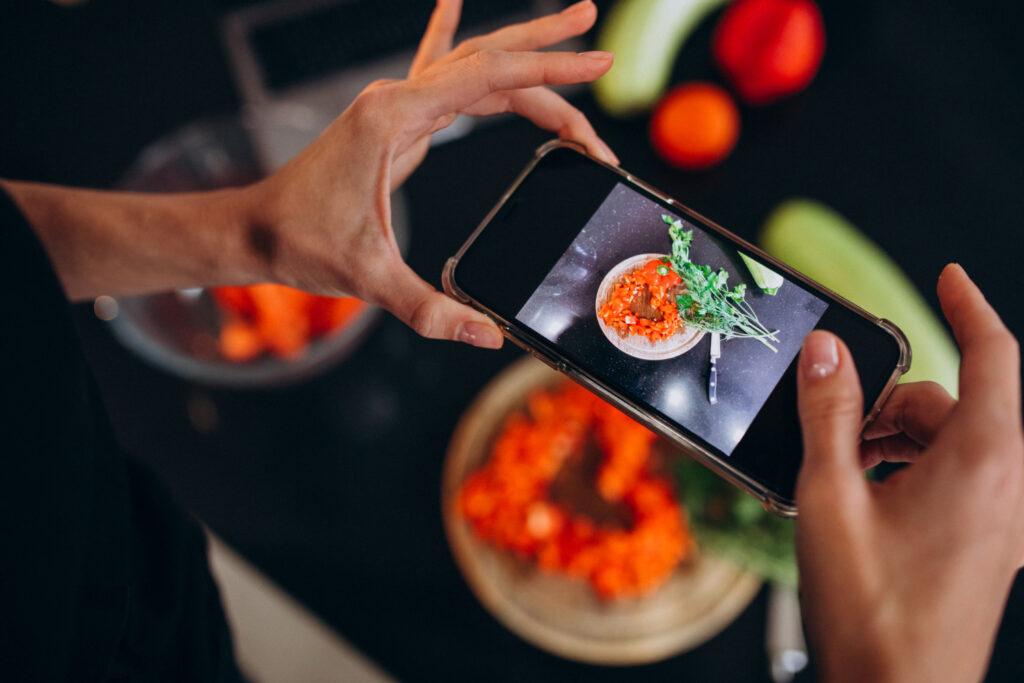
4. Design Plating for the Camera
Plating is not just presentation, it’s a marketing opportunity.
Before finalizing a dish, test how it looks from above, from the side, and in natural light. Ask:
- What’s the focal point?
- Does it look inviting from a phone camera distance?
- Is there movement or layering that adds interest?
Train your kitchen team to give every dish a “photo finish.” A quick sauce drizzle, a sprinkle of herbs, or a clean plate rim can make a big difference.
5. Test Small Before Launching Big
Wendy’s is known for experimenting, quietly testing new sandwiches or desserts in limited markets before national rollout. You can do the same on a smaller scale.
Post teaser photos or videos of your new dish on Instagram Stories or TikTok. Ask your followers to vote between two versions or suggest names.
That early engagement builds hype and gives you data on what people actually like.
6. Make It Operationally Sustainable
A dish that looks amazing online but is a nightmare to prepare consistently will hurt your brand in the long run.
Check that your recipe can be executed smoothly during rush hours. Make sure the ingredients hold their texture and color under heat lamps or during delivery.
The most shareable dishes are those that look good every time, not just in a photoshoot.
7. Build a Story Around Every Launch
A dish without a story is just another menu item. A dish with a story becomes content.
Build anticipation before launch:
- Tease ingredients (“something spicy is coming…”)
- Share behind-the-scenes shots of your chefs testing recipes
- Let staff or loyal customers taste early versions and post their reactions
- Create a fun hashtag for guests to use
After launch, keep the story going, share customer posts, remix the dish for a seasonal edition, or spotlight how it was made.
That narrative gives your dish a longer shelf life on social media.
Crafting the Workflow: From Idea to Viral Hit
Here’s how you can structure your creative process, step by step.
Step 1: Brainstorm With the End in Mind
Decide what emotion or reaction you want the dish to provoke. Joy? Surprise? Indulgence? Humor?
From there, brainstorm visuals and ingredients that express that mood.
Step 2: Prototype and Photograph Early
Once you have a concept, build two or three variations. Photograph them in natural light. Look for what stands out, the shine, the stretch, the drizzle.
Step 3: Gather Real Feedback
Do a mini pop-up or offer free samples for feedback. Ask diners to take photos and tag your page. You’ll learn quickly what resonates.
Step 4: Simplify for Execution
Streamline the winning version so it’s practical for your kitchen. Simplify garnish steps, pre-portion sauces, and ensure your line cooks can replicate the look perfectly.
Step 5: Launch With a Content Plan
Have ready-made assets before launch: photos, short videos, GIFs, and captions. Coordinate timing across all platforms so the buzz hits consistently.
Step 6: Measure and Evolve
Track performance: which images get the most engagement, what comments appear most often, and which user photos look best. Use that data to shape your next dish.
Lessons From the Pros
Chili’s: They simplified their menu and focused on visual storytelling. Instead of chasing trends, they built items that inspire sharing, like layered dips, molten desserts, and customizable samplers.
Wendy’s: They turned their social media into a character, witty, funny, and responsive. Every menu item became part of that story. The key wasn’t just the product; it was the conversation around it.
Together, these brands show that menu innovation today is not about inventing something completely new, it’s about creating moments that connect.
Common Mistakes to Avoid
- Overcomplicating the dish. Simplicity photographs best. Too many ingredients create visual clutter.
- Ignoring kitchen flow. A viral dish that slows service will cause frustration behind the scenes.
- Neglecting training. Every team member should know the visual goal for each plate.
- Skipping audience research. If your followers love comfort food, a molecular gastronomy experiment may flop.
- Forgetting lighting and plating environment. Dishes look different under fluorescent bulbs than in natural light.
How to Keep Your Creations Safe and Compliant
While creativity is key, maintaining high standards for food handling and safety remains essential, especially as your menu and staff grow. Every new item brings new processes, ingredients, and prep steps that must comply with regulations.
That’s why having a properly certified team is critical. You can secure your team’s credentials easily with Florida food handler certificates best price or enroll them for official Florida food handler certificates.
As your operation expands or undergoes inspection, expert insight from a Florida food expert witness can also help ensure your practices stand up to industry standards.
For those running larger restaurant groups or franchised operations, consulting with a food service expert witness or restaurant expert witness is an excellent safeguard. They bring both creative understanding and compliance expertise, the perfect balance for restaurants innovating in the spotlight.
Food creativity and safety aren’t opposites; they’re partners. A restaurant that delivers beauty and reliability earns lasting trust, and that’s what keeps customers coming back.
Helpful External Resources
For those seeking more guidance on safe and creative menu development, here are three reliable resources worth bookmarking:
- U.S. Food & Drug Administration (FDA) – Food Code Guidelines – The national standards for safe food handling and retail practices.
- Florida Department of Business & Professional Regulation – Information on restaurant licensing, inspections, and certificates in Florida.
- U.S. Department of Agriculture – Food Safety and Inspection Service – Guidelines for food storage, preparation, and inspection.
These sources complement your culinary innovation process and help you keep compliance airtight while you experiment with new creations.
The Future of Menu Innovation
Restaurants today sit at the crossroads of art, technology, and community. Every new dish is a chance to connect, not just through taste, but through storytelling and shared experience.
Chefs at Chili’s and Wendy’s remind us that the next viral dish won’t come from luck, it’ll come from planning, creativity, and understanding your audience.
Social media has democratized food marketing. A single chef in a small kitchen can now reach millions with the right combination of flavor, image, and timing.
So, as you brainstorm your next signature item, remember this: it’s not just what’s on the plate, it’s how it’s seen, shared, and remembered.
Final Thoughts
The best menu ideas don’t just feed the body, they feed curiosity, conversation, and community.
Chefs at Chili’s and Wendy’s are proving that innovation isn’t only about flavors, but about moments. The sizzle of a steak, the stretch of melted cheese, the crunch that echoes in a video, these sensory cues are the new language of marketing.
By designing dishes that are social-ready from day one, you’re building bridges between your kitchen, your guests, and the digital world.
And when that creativity is supported by the right credentials, like verified food handler certificates Florida and a team trained under certified Florida food handlers card programs, you elevate your restaurant from trendy to truly trustworthy.
Because the most shareable thing about your restaurant shouldn’t just be your plating, it should be your professionalism.
Florida Food Handler Certificates
Avoid fines by ordering your Florida Department of Business and Professional Regulation-approved Food Worker Program certificates today. They’re available for just $4 each. Program #5552749.
Place your order online here. For additional information, you can call (561) 703-7196.
***Please note that the insightful and engaging content provided on our platform is crafted by our dedicated Marketing Department’s content writing team. While Ken Kuscher is the esteemed figure and expert within our industry, the articles and blog posts available are not personally authored by Ken.