
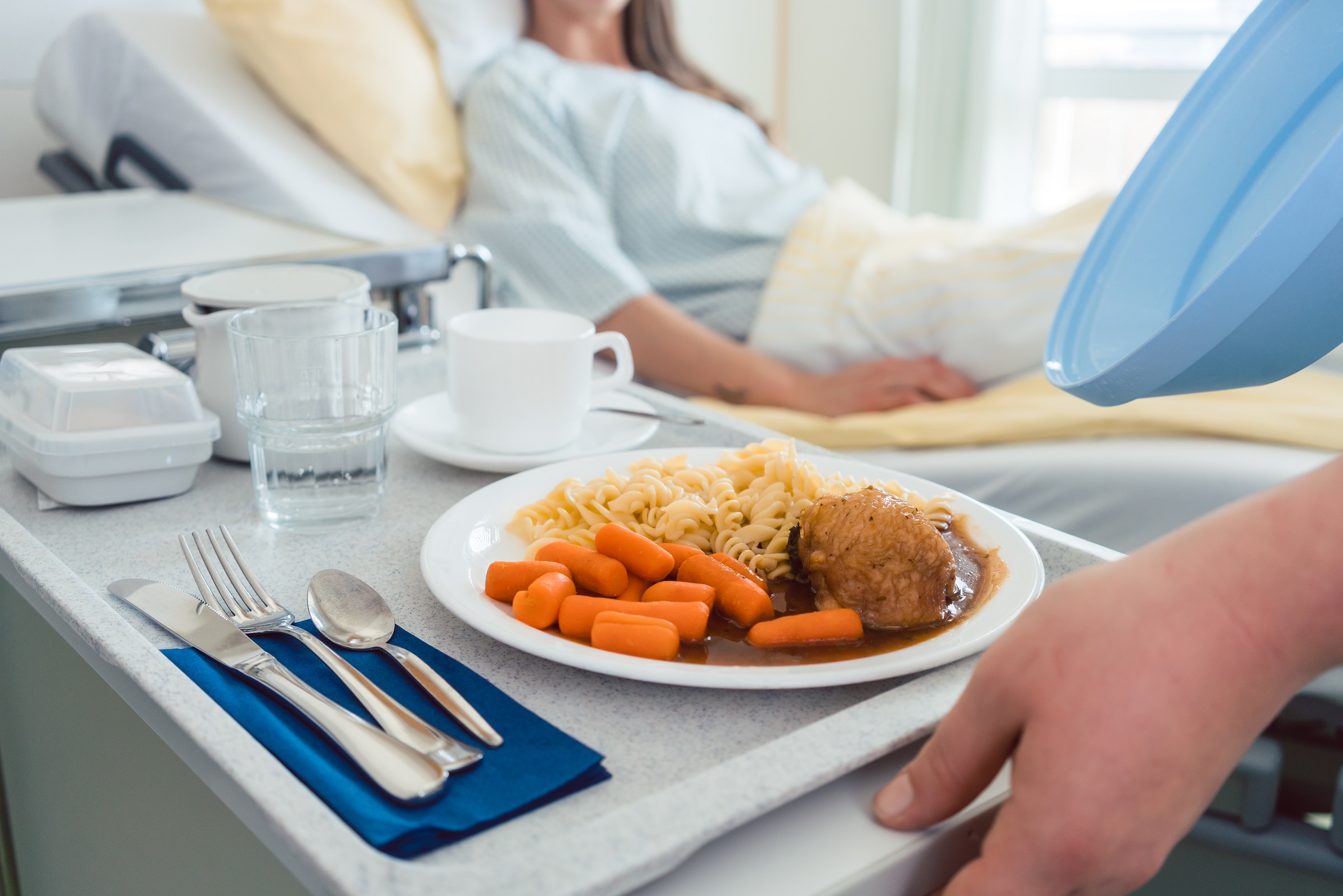
Hospital food service has long been a delicate balance between nutrition, efficiency, and patient satisfaction. For years, the image of bland trays arriving at irregular times has dominated public perception. Today, however, hospitals are embracing new solutions that make mealtime not only more enjoyable for patients but also more sustainable for healthcare facilities. At the center of this change is mobile ordering, a digital upgrade reshaping how patients experience food in hospitals.
Across the U.S., healthcare systems are finding that mobile ordering not only improves satisfaction scores but also helps significantly reduce food waste, a persistent challenge in institutional dining. This transformation reflects a broader shift in the food industry, where personalization, technology, and sustainability increasingly work hand in hand.
What makes this trend especially important is its direct connection to patient well-being. For many individuals, food is more than just fuel, it represents comfort, familiarity, and sometimes even a sense of control during a vulnerable time. Hospitals are discovering that when patients have more say in what and when they eat, they feel better cared for, which can enhance both emotional outlook and recovery outcomes. Mobile ordering, then, is not simply about convenience, it’s about delivering care in a way that feels human-centered and dignified.
At the same time, administrators and foodservice leaders are recognizing the operational advantages of embracing technology. Reducing food waste saves money, strengthens sustainability efforts, and improves efficiency across departments. These benefits are especially critical as hospitals face increasing financial pressures and public accountability for patient satisfaction scores. In short, mobile ordering is proving to be one of those rare innovations that benefits everyone, patients, staff, and institutions alike
Why Hospital Dining Needed a Refresh
For many patients, food is one of the few highlights in a hospital stay. A well-prepared, timely meal can improve mood, aid in recovery, and enhance the overall experience. But traditional hospital food service models often rely on pre-set menus and rigid schedules.
That approach presents several challenges:
- Limited Choice: Patients are often given few menu options, which may not match their preferences or dietary needs.
- Mismatched Timing: Meals may arrive when patients are sleeping, undergoing treatment, or simply not hungry.
- High Waste: Uneaten food, due to timing or lack of choice, contributes to significant waste.
This inefficiency doesn’t just frustrate patients, it costs hospitals millions annually in wasted food and resources. According to the U.S. Environmental Protection Agency (EPA), food waste remains one of the largest waste streams in the nation’s healthcare facilities .
Clearly, a modern solution was needed.
Mobile Ordering as a Patient-Centered Solution
Mobile ordering systems, accessible via bedside tablets, smartphones, or nurse stations, allow patients to browse menus, customize meals, and order food when they want it. Think of it as the “room service” model adapted to healthcare.
This approach delivers several key benefits:
- Personalization: Patients can select meals suited to their dietary restrictions, cultural preferences, or cravings.
- Convenience: Ordering aligns with when patients actually feel ready to eat, avoiding waste from mistimed trays.
- Engagement: Interactive menus enhance the patient’s sense of control, which research shows can improve satisfaction and even aid recovery .
Hospitals implementing mobile ordering report higher satisfaction scores on patient surveys, a critical metric since these scores can directly affect hospital funding and reputation.

Reducing Food Waste Through Smarter Service
Food waste in healthcare settings is staggering. Studies suggest that nearly 30–50% of hospital food ends up uneaten, a reality that impacts budgets, operations, and sustainability efforts. That waste doesn’t just disappear, it represents millions of dollars in lost resources, higher disposal costs, and a heavier environmental footprint. Hospitals have long struggled with this challenge, but mobile ordering is offering a practical, data-driven way to address it.
With mobile systems, patients no longer receive meals they didn’t request or at times when they can’t eat. Instead, they order food when they’re hungry, which immediately reduces the volume of untouched trays. This “just-in-time” approach mirrors what successful restaurants do: serve food when it’s actually wanted. Patients also benefit from menu transparency, with digital platforms showing full descriptions, ingredient details, and even nutritional breakdowns. When people understand what they’re ordering, they’re more likely to choose, and finish, the meals they receive.
Another benefit is portion control. Some hospitals allow patients to select smaller portions if they have less appetite, reducing excess food production. Staff can then repurpose saved resources for others who want larger meals. This flexibility cuts down on both prep waste and post-meal disposal.
According to the U.S. Department of Agriculture (USDA), preventing food loss at the source is one of the most effective ways to fight waste. Mobile ordering makes this possible, aligning patient needs with production in a way that’s efficient, cost-effective, and environmentally responsible.
Technology That Feeds Both Patients and Operations
While the immediate benefit of mobile ordering is improved patient experience, the impact goes far deeper, into the very operations of hospital foodservice departments. Hospitals are complex systems, with every department under pressure to run efficiently and cost-effectively. Foodservice, though often overlooked, plays a critical role in both patient satisfaction and hospital finances.
Mobile ordering creates valuable data insights. Every choice a patient makes, what they order, when they order, what they finish, feeds into a digital record. Over time, this data reveals clear trends: which meals are consistently popular, which are frequently wasted, and when peak ordering times occur. With that information, managers can plan menus more intelligently, forecast demand more accurately, and reduce costly overproduction.
Staff efficiency also improves. Without mobile ordering, employees spend time preparing, delivering, and clearing meals that often go untouched. With on-demand ordering, labor is redirected toward enhancing patient experience, ensuring accuracy, adjusting dietary needs, and assisting patients with the technology itself. This shift makes staff time more meaningful and less repetitive.
Financially, the savings add up. Lower waste means lower purchasing costs. Fewer mistakes mean less money spent remaking or discarding food. For administrators, the ability to demonstrate cost reductions while boosting satisfaction scores makes mobile ordering not just a “nice-to-have,” but a sound investment in hospital operations. In an era where healthcare faces mounting economic pressure, technology that supports both people and processes is invaluable.
A Closer Look at Patient Satisfaction
Why does food service play such a critical role in patient satisfaction?
- Emotional Comfort: Hospital stays are stressful; meals that feel more like restaurant service offer comfort.
- Sense of Control: Patients often feel powerless in healthcare settings. Choosing their meals restores autonomy.
- Recovery Impact: When patients eat better, they heal better. Nutritious meals consumed at the right times can support recovery outcomes.
Patient satisfaction surveys consistently show improved feedback when hospitals adopt on-demand dining systems. For foodservice teams, that means their role is directly tied to measurable improvements in hospital ratings.

The Role of Sustainability in Modern Foodservice
Sustainability has become a cornerstone of foodservice innovation, and hospitals are no exception. With patients, staff, and local communities increasingly focused on environmental responsibility, healthcare systems must demonstrate leadership in reducing their ecological impact. Mobile ordering aligns perfectly with these goals, offering a direct way to cut down on unnecessary waste while supporting broader sustainability initiatives.
One of the clearest advantages is waste reduction, which directly lowers greenhouse gas emissions from food decomposition in landfills. Hospitals that prevent food waste not only save money but also reduce their carbon footprint, an important metric as institutions are held accountable for environmental performance. Many states now track and reward sustainability efforts in healthcare, making foodservice improvements a path toward higher ratings and recognition.
Mobile ordering also supports resource efficiency. By preparing only what is needed, hospitals use fewer ingredients, less packaging, and even less energy in cooking and storage. These reductions compound over time, creating measurable benefits across the facility.
Beyond operational gains, sustainability efforts enhance public image. Communities want to know that hospitals are not just caring for patients, but also caring for the planet. Aligning hospital practices with frameworks like the EPA’s Food Recovery Hierarchy helps facilities demonstrate compliance and leadership. Ultimately, sustainability in foodservice is about building trust: showing patients and communities that hospitals take both health and environmental stewardship seriously.
Lessons for the Wider Food Industry
Although hospitals may seem like a specialized environment, the lessons learned from mobile ordering have wide-reaching implications across the entire food industry. The challenges hospitals face, feeding large groups efficiently, reducing waste, and improving satisfaction, are the same issues restaurants, universities, and corporate dining services must navigate every day.
One key takeaway is the value of flexibility. Traditional meal delivery systems, whether in a hospital or a cafeteria, often fail because they don’t adapt to individual needs. Mobile ordering fixes this problem by making the dining experience more personalized and responsive. For restaurants, this highlights how important it is to give customers control, whether that’s through apps, kiosks, or online platforms.
Another lesson lies in data-driven decision-making. Just as hospitals can analyze ordering trends to refine menus, restaurants can leverage similar tools to identify bestsellers, adjust portion sizes, and forecast demand more accurately. Data reduces guesswork, leading to smarter inventory management and lower costs.
Finally, the emphasis on sustainability is one the wider foodservice world can’t ignore. Customers increasingly want to support businesses that act responsibly, and reducing food waste is a tangible way to deliver on that expectation. Watching hospitals succeed in combining patient care with sustainability offers a model that restaurants and other institutions can adapt to their own operations.
In short, mobile ordering in healthcare provides a playbook for innovation that food businesses across sectors can use to enhance satisfaction, reduce costs, and build a reputation for responsibility.

Why This Matters for the Food Industry
The food industry thrives on innovation, and technology continues to redefine the way meals are prepared, ordered, and enjoyed. Mobile ordering in hospitals highlights how important it is to meet customers where they are, whether that’s a patient in recovery or a diner at a local restaurant.
For professionals in the industry, staying informed on these trends matters because they signal where expectations are heading. Consumers increasingly want choice, convenience, and sustainability, no matter the setting.
That’s why businesses, whether healthcare institutions or restaurants, benefit from well-trained staff who understand the evolving demands of foodservice. Investing in knowledge, compliance, and certifications is key to staying competitive.
For example, securing florida food handler certificates best price ensures teams are not only compliant but also well-prepared to deliver safe, high-quality meals. Many businesses across Florida choose to strengthen their workforce with affordable florida food handler certificates to maintain operational excellence. And when complex challenges arise, consulting with a florida food expert witness or restaurant expert witness provides the specialized insight needed to navigate regulations and industry disputes.
Looking Ahead: Digital Dining as Standard Practice
Mobile ordering in hospitals may feel like a specialized innovation today, but all signs point to it becoming a standard practice across foodservice industries. Patients, much like everyday diners, are growing accustomed to having options, convenience, and control at their fingertips. What starts in hospitals often trickles into broader dining environments, shaping consumer expectations everywhere.
Hospitals adopting these systems now are essentially setting the tone for the future of institutional dining. By proving that digital ordering can enhance satisfaction and cut waste, they are influencing how schools, corporate cafeterias, and even restaurants will operate in the years to come. As younger generations, who are digital natives, enter hospitals as patients or visitors, the demand for tech-enabled dining will only grow stronger.
The implications extend beyond food. Mobile ordering could eventually integrate with electronic health records, ensuring that meals perfectly match dietary needs, allergies, and treatment plans. This type of synergy could become a model for how healthcare and hospitality overlap to improve outcomes.
Ultimately, digital dining is no longer a novelty, it’s a reflection of how people live, eat, and interact with service providers. Hospitals are at the forefront of this transformation, but they won’t be the last. For the wider food industry, paying attention to these changes is not optional; it’s essential to staying competitive in a world where technology and customer expectations evolve side by side.
External Resources Worth Exploring
To dive deeper into the importance of food waste reduction and patient-centered care, here are some valuable resources:
- EPA Food Recovery Hierarchy – Guidance on prioritizing actions to prevent and divert wasted food.
- National Institutes of Health – Patient Experience – Research-backed insights into how patient experiences, including foodservice, affect outcomes.
- USDA Food Loss and Waste Resources – Federal resources supporting waste reduction efforts across institutions.
Florida Food Handler Certificates
Avoid fines by ordering your Florida Department of Business and Professional Regulation-approved Food Worker Program certificates today. They’re available for just $4 each. Program #5552749.
Place your order online here. For additional information, you can call (561) 703-7196.
***Please note that the insightful and engaging content provided on our platform is crafted by our dedicated Marketing Department’s content writing team. While Ken Kuscher is the esteemed figure and expert within our industry, the articles and blog posts available are not personally authored by Ken.