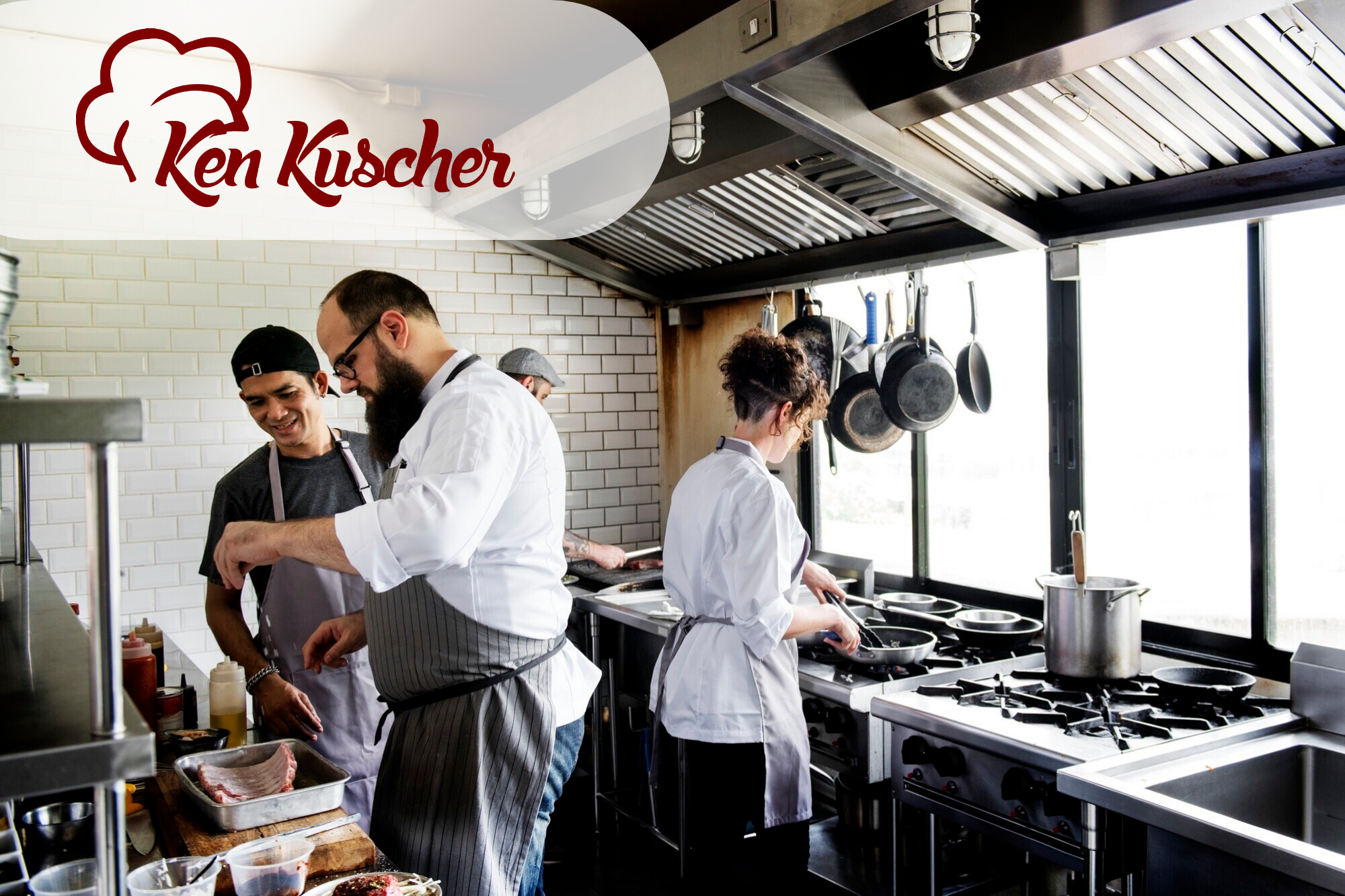

The food industry has always been shaped by the people who show up, not just with skill, but with consistency, clarity, and care. Whether someone works in a restaurant, a production facility, a culinary school, or a food corporate office, leadership is increasingly becoming a daily requirement rather than a job title. Every shift, every service, and every decision affects how teams operate and how customers experience food.
Many assume leadership is built on big moments, stepping into crises, directing large teams, or launching new innovations. But in reality, the most respected leaders in the food and hospitality world don’t depend on dramatic gestures. They distinguish themselves through small, repeatable behaviors that compound over time. These micro-habits quietly shape culture, boost efficiency, strengthen trust, and create environments where people want to work.
This article explores ten powerful micro-habits that food industry professionals can integrate into their daily routines. These habits aren’t complicated. They’re not idealistic. They’re simple actions grounded in practicality and real-world food operations, actions that make someone an everyday leader, regardless of their position.
And for readers who want to deepen their credibility or career path, reputable credentials can also support leadership development. For example, professionals in Florida often pursue required certifications such as the florida food handler certificates to demonstrate compliance and commitment to industry standards. While this article isn’t focused on safety or credentials, strong leaders often embrace both micro-habits and high-quality learning as part of their growth mindset.
Now, let’s explore the ten daily micro-habits that can make any food industry professional stand out.
1. Start Every Day With a Clear Intention
Leadership begins long before stepping into a kitchen, dining room, distribution center, or office. The best leaders take a moment each morning to set a simple intention:
- “Today I’m going to communicate clearly.”
- “Today I’m going to support my team.”
- “Today I’m focusing on consistency.”
Studies on workplace performance indicate that intentional thinking improves emotional regulation and decision-making. This is especially valuable in the food industry, where fast-paced environments require professionals to stay centered.
Intention-setting doesn’t need to be elaborate. It can be a 30-second reflection while pouring coffee or walking into the building. But that tiny pause can influence tone, patience, teamwork, and overall leadership presence throughout the day.
2. Prioritize Listening Before Responding
Listening is a leadership superpower. In the food industry, where processes rely on clear communication, leaders who listen well can prevent small challenges from becoming full-blown problems.
Everyday leaders practice:
- Making eye contact
- Not interrupting
- Asking clarifying questions
- Paraphrasing what they heard
- Confirming next steps
These behaviors seem basic, but their impact is tremendous. When employees or colleagues feel heard, they speak up sooner, collaborate better, and show more initiative. Listening also reduces misunderstandings, whether during prep, training, menu changes, or guest service.
Even food experts brought in for legal or operational consultation rely on this micro-habit. For instance, when a florida food expert witness or restaurant expert witness is engaged for a case or evaluation, the first step is almost always listening deeply to understand the context. That same principle applies to leadership in everyday operations.

3. Keep Workspaces Consistently Organized
Orderliness is one of the most underrated leadership traits in the food world.
Clean cutting boards, labeled containers, stocked stations, and uncluttered walkways help teams work faster and safer. And interestingly, leaders who maintain order influence others to do the same, not because they demand it, but because they model it.
Research from the U.S. Department of Labor shows that organized workplaces increase productivity and reduce stress for frontline employees.
(External source: https://www.dol.gov/general/topic/health-safety)
Even small acts, returning equipment immediately, wiping surfaces between tasks, or restocking before the next shift, signal reliability and professionalism. These signals build leadership credibility without saying a word.
4. Ask One Supportive Question Each Day
“You good today?”
“What do you need to feel successful on your station?”
“Anything slowing you down right now?”
“How can I help?”
Simple questions like these build a culture of support.
Food industry environments often come with stress, physical demand, heat, long hours, and tight coordination. Leaders who ask supportive questions daily create a climate where team members feel valued, not just for their labor, but for their well-being.
The U.S. Centers for Disease Control and Prevention reports that supportive workplaces help reduce burnout and improve performance.
(External source: https://www.cdc.gov/workplacehealthpromotion/index.html)
Supportive leadership doesn’t take time. It takes intention.
5. Explain the “Why” Behind Decisions
People follow instructions, but they commit to missions.
When employees understand the purpose behind menu changes, operational adjustments, service standards, or prep guidelines, they become more invested and accountable. Explaining why something matters also helps teams make better decisions when leaders aren’t present.
Food service workers consistently rank “better communication” as one of the top improvements they desire in workplace leadership, according to the National Restaurant Association.
A leader who says:
- “We’re switching suppliers because the quality is more consistent,”
- “We plate this dish this way for temperature control,”
- “We label items like this for traceability,”
is teaching, not commanding.
And teaching is leadership in its purest form.

6. Practice Calmness as a Daily Discipline
High-tension moments happen in the food industry every single day:
- Back-of-house rushes
- Inventory delays
- Vendor issues
- Last-minute substitutions
- Equipment breakdowns
- Guest complaints
- Training gaps
Chaos is normal, but calmness is not.
That’s why calm leaders stand out.
They slow their breathing.
They think before reacting.
They don’t raise their voices.
They avoid panic-driven decisions.
This calm presence diffuses tension and prevents errors, especially in environments where timing and accuracy matter. Teams naturally gravitate toward calm leaders because they help everyone feel more stable, even when the work is demanding.
7. Take Micro-Moments to Recognize Good Work
Recognition is one of the easiest leadership habits and one of the most overlooked.
Great leaders don’t wait for annual reviews or milestone celebrations. They take seconds, literally seconds, to acknowledge effort:
- “Great job with that table.”
- “Your prep work was really consistent today.”
- “Thanks for stepping in.”
- “That plating looked amazing.”
- “Nice hustle during that rush.”
Recognition releases dopamine, boosts morale, and increases retention, especially in industries with high turnover rates.
The key is sincerity. Celebrate not just results, but behaviors: teamwork, effort, kindness, consistency, punctuality, creativity.
Micro-recognition makes people feel seen.
8. Keep Personal Standards High in Small Details
Everyday leaders earn respect because they hold themselves accountable to the small things:
- Showing up early
- Wearing clean uniforms
- Maintaining hygiene
- Completing checklists
- Following labeling rules
- Rotating stock without being told
- Communicating issues quickly
These aren’t tasks, they’re habits.
And while this article is not about food safety or certification requirements, high standards often align naturally with proper credentials. In Florida, many professionals maintain a florida food handlers card or similar certificate, partly because it reinforces the discipline behind these small but essential behaviors. Strong leadership thrives on excellence even when no one is watching.

9. Build Relationships Beyond Basic Communication
Some of the strongest teams in the industry share a sense of belonging. Leaders help build that sense of connection by engaging beyond transactional conversations.
Instead of only asking about tasks, they ask about:
- goals
- interests
- strengths
- preferred responsibilities
- future aspirations
These micro-conversations take only a few moments but dramatically influence loyalty, trust, and teamwork.
Everyday leaders know that people don’t follow orders, they follow relationships.
10. Commit to Learning Something Small Every Day
Growth is a defining trait of effective leaders.
This habit doesn’t require formal training. It can come from:
- Asking a coworker about a process they know well
- Watching a short industry-related video
- Reading an expert’s commentary on food trends
- Practicing a new knife cut for five minutes
- Examining a menu item’s cost breakdown
- Learning one fact about guest behavior
- Reviewing inventory numbers
- Observing workflow patterns
Micro-learning helps professionals adapt to changes in foodservice, culinary innovation, staffing patterns, and consumer preferences. It also positions them as adaptable thinkers, an essential trait in leadership.
Professionals who pursue high-quality credentials often use them as part of this learning mindset. For example, securing food handler certificates florida can provide foundational knowledge, while consulting with a food service expert witness can deepen understanding for organizations navigating complex operations. These steps contribute to a broader leadership journey.
Bringing It All Together: Leadership Through Daily Practice
Leadership in the food industry doesn’t require a title, a corner office, or decades of experience. It grows from the choices made every single day, choices built on clarity, steadiness, respect, communication, and curiosity.
The ten micro-habits outlined in this article create a foundation for professional growth:
- Set a daily intention
- Listen before responding
- Keep workspaces organized
- Ask supportive questions
- Explain the “why”
- Practice calmness
- Recognize effort
- Maintain high personal standards
- Build relationships
- Learn continuously
Small actions create dependable leaders. These leaders influence culture, reduce turnover, inspire trust, and elevate the quality of food experiences for every guest and every team member.
Most importantly, these micro-habits require no special certification or budget, only awareness and consistency. Anyone in the food industry can begin practicing them today.
And for professionals looking to build even greater credibility or evaluate operational standards, additional resources are always available. Whether exploring expert consultation or reviewing compliance certifications such as florida food handler certificates best price, the goal is the same: continuous improvement and stronger leadership at every level.
Everyday leadership is not about being perfect, it’s about showing up, being intentional, and helping others succeed. That’s how individuals stand out. That’s how teams transform. And that’s how the food industry continues to evolve, one small habit at a time.
Florida Food Handler Certificates
Avoid fines by ordering your Florida Department of Business and Professional Regulation-approved Food Worker Program certificates today. They’re available for just $4 each. Program #5552749.
Place your order online here. For additional information, you can call (561) 703-7196.
***Please note that the insightful and engaging content provided on our platform is crafted by our dedicated Marketing Department’s content writing team. While Ken Kuscher is the esteemed figure and expert within our industry, the articles and blog posts available are not personally authored by Ken.