From Search to Seat: The New Rules for Getting Found and Chosen by Today’s Diners
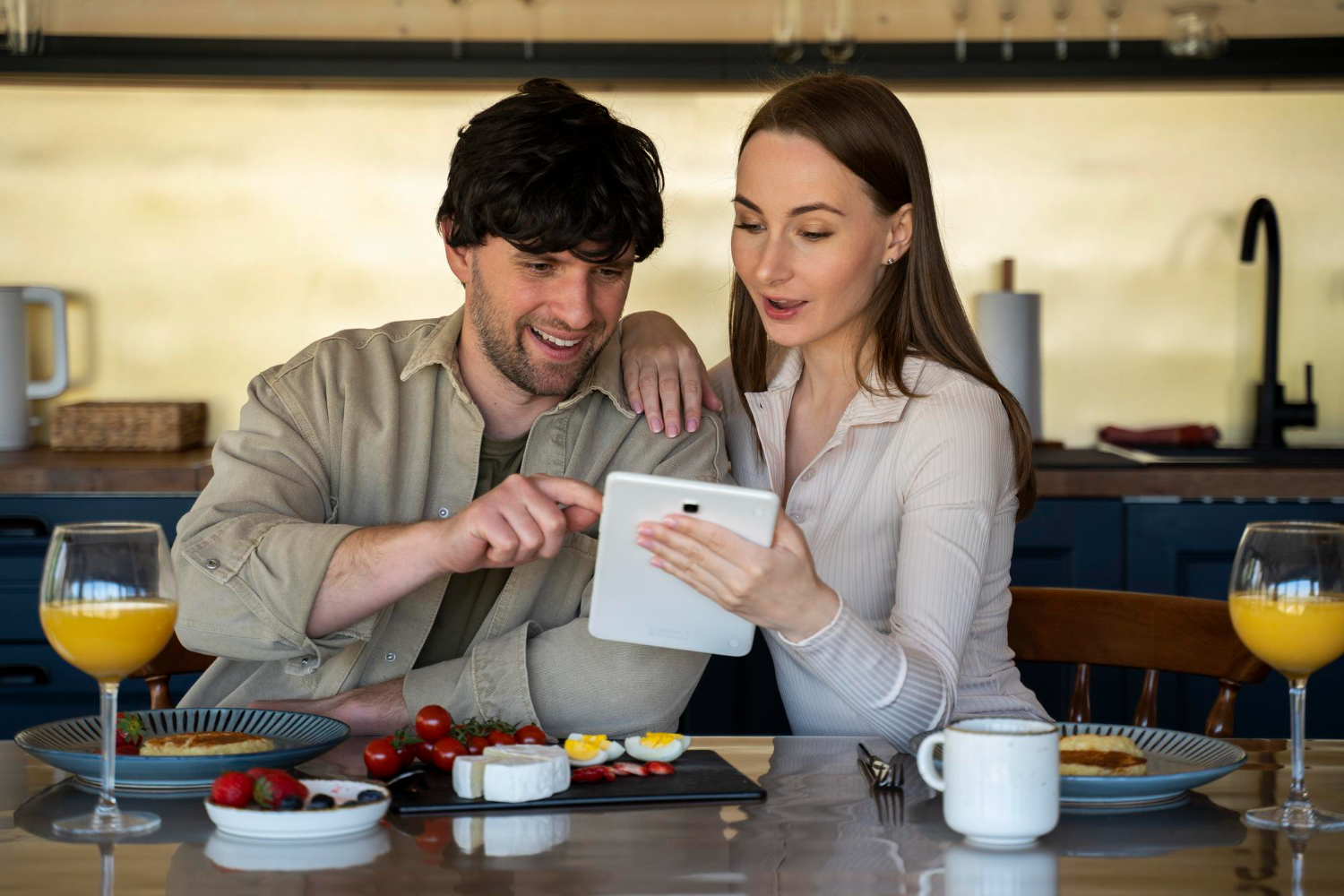
Something fundamental has shifted in how people find restaurants. Not long ago, the path from “I’m hungry” to “I have a reservation” ran through a fairly predictable set of channels, a friend’s suggestion, a quick Google search, maybe a glance at a printed guide. The decision was made with limited information and a reasonable amount of trust that the experience would be roughly what was advertised.That path looks completely different in 2026. Today’s diner is navigating an omnichannel world, searching on Google, scrolling through delivery apps, asking AI chatbots, reading reviews, watching short-form video content, and consulting their social networks, sometimes all before deciding where to eat tonight. The number of touchpoints between a diner’s first impulse and their actual visit has multiplied dramatically, and every one of those touchpoints is either working in your favor or against you.The good news is that a new report from DoorDash, based on surveys of more than 3,000 consumers, has produced some of the clearest and most actionable data available on exactly how today’s diners are finding restaurants, what influences their decision to order or visit, and what keeps them coming back. This article unpacks those findings and translates them into practical strategies every restaurant operator can apply, starting today.
Where Diners Are Actually Finding You
Before you can optimize your presence across channels, you need to understand which channels are doing the most work. The DoorDash data offers a clear and somewhat surprising answer to the question of where diners most often discover a new restaurant.Word of mouth remains consumers’ most trusted source for restaurant discovery. Sixty-two percent said a recommendation from a friend or family member is how they are most likely to discover a new spot. That was followed by Google search at 51% and delivery apps at 37%.Word of mouth at the top. Not Instagram. Not TikTok. Not a paid ad or a promotional email. A friend saying “you have to try this place” remains the single most powerful driver of new restaurant discovery in 2026, which tells you something essential about what your ultimate marketing goal should be. Every investment in guest experience, every detail that makes a meal memorable, every moment that makes a guest want to tell someone about it, these are not soft, unmeasurable contributions to your business. They are your most effective marketing strategy.AI is also making inroads in restaurant discovery. Twenty-two percent of consumers said they have used a chatbot like ChatGPT or Google Gemini to find a restaurant.Twenty-two percent is not a niche number. That’s more than one in five diners using AI as a restaurant discovery tool, a figure that will only grow as AI assistants become more deeply embedded in daily life. This is a channel that didn’t exist in any meaningful way three years ago, and it’s already influencing how more than a fifth of your potential guests decide where to eat.According to a separate study by Yext, a restaurant’s online listings and reviews are particularly important for AI recommendations, as well as its website.The implication here is significant: the quality and completeness of your online presence doesn’t just affect your Google ranking anymore. It affects whether AI recommends you when someone asks their chatbot where to go for dinner. Your online listings, your reviews, your website, these are now the inputs that feed the AI systems shaping consumer decisions, and keeping them accurate, complete, and compelling is no longer optional.florida food handler certificates
Your Online Presence Is Your First Impression
For most diners, their first meaningful encounter with your restaurant happens not at your front door but on a screen, and the quality of that digital first impression determines whether they ever get to your front door at all.DoorDash encouraged restaurants to maintain their online menus, add high-quality photos, and keep close tabs on reviews.That advice sounds simple. The execution, however, requires consistent attention that many operators don’t have built into their routine. Online menus get out of date. Pricing changes without being reflected digitally. Photos uploaded two years ago no longer represent the current plating or ambiance. Reviews accumulate without responses. Each of these gaps sends a subtle but real signal to potential guests that the operation may not be as attentive as they’d like.High-quality photography deserves particular emphasis because its impact on ordering behavior is quantifiable. Simply adding descriptions to half of the menu can boost sales by over 6% on average, while adding photos of half of the items can add another 13%.A 13% sales increase from menu photography. That is not a marginal improvement, that is a meaningful revenue impact achievable without changing a single ingredient or adding a single table. For operators who haven’t invested in professional food photography, this data makes the business case definitively. For operators who have photos but haven’t updated them in years, it’s a prompt to revisit.The mobile dimension of this cannot be overstated. Sixty-four percent of consumers told DoorDash they always order delivery on their phone, and 95% of DoorDash orders over the past six months were placed on mobile. Menus and websites should be optimized for mobile.If your website requires pinching and zooming to read, if your online menu doesn’t load cleanly on a smartphone, if your reservation link is buried three clicks deep on a mobile browser, you are losing guests before they ever engage with your food. Mobile optimization is not a technical nicety. It is the baseline expectation of virtually every diner interacting with your brand in 2026.TheGoogle Business Profile Help Center provides detailed guidance on optimizing your business listing, ensuring accurate hours, photos, menu information, and review management are all working together to present the most compelling and accurate picture of your restaurant to potential guests searching online.
What Actually Gets a Diner to Choose You
Discovery is only half the equation. Once a diner has found your restaurant, a separate set of factors determines whether they actually place an order or make a reservation. The DoorDash data is instructive here, and the answers are more straightforward than many operators might expect.The main thing that will influence a customer to choose your restaurant is what’s on the menu, with 60% saying so. But customers want to see detailed and appealing menu descriptions, with 93% indicating this matters, including clear information on what comes with a dish, like sides, sauces and add-ons, cited by 52%.Ninety-three percent of consumers want detailed, appealing menu descriptions. That number is remarkable for its size, it is essentially universal. Yet the gap between what diners want and what most restaurants provide in their digital menus is significant. Generic descriptions, missing accompaniment information, vague language that sounds like it was written to fill space rather than to entice, these are the norm rather than the exception on most restaurant menus, digital and printed alike.Menu writing is a skill worth investing in. A description that communicates the flavor profile, the key ingredients, the preparation method, and the overall experience of a dish does more than inform, it creates anticipation. And anticipation is one of the most powerful drivers of the willingness to order.Photos should clearly match the item being described, cited by 47% of consumers. It also helps to identify popular or top-selling items, cited by 31%, offer combos or bundles at 28%, and provide some information on portion sizes such as “feeds 2-3,” cited by 27%.These details cost nothing to add and collectively create a significantly more confident and appealing ordering experience. A guest who knows what they’re getting, who can visualize the dish, understand the portion, and see it confirmed by a photo, is a guest who orders with confidence rather than hesitation. Hesitation kills conversions. Confidence drives them.More than half of U.S. adults have a food allergy, intolerance or sensitivity, or know or live with someone who has one, according to the International Food Information Council. Including allergy and dietary information on the menu could be a real difference-maker.Allergy information on your digital menu is no longer a courtesy, it’s an expectation. Families with allergies don’t just appreciate restaurants that make this information easy to find, they actively seek them out and return to them with disproportionate loyalty. An accessible, clearly labeled allergy and dietary information section on your menu is one of the fastest ways to capture and retain a guest segment that is both large and underserved.florida food handler certificates
The Bridge Between Delivery and Dine-In
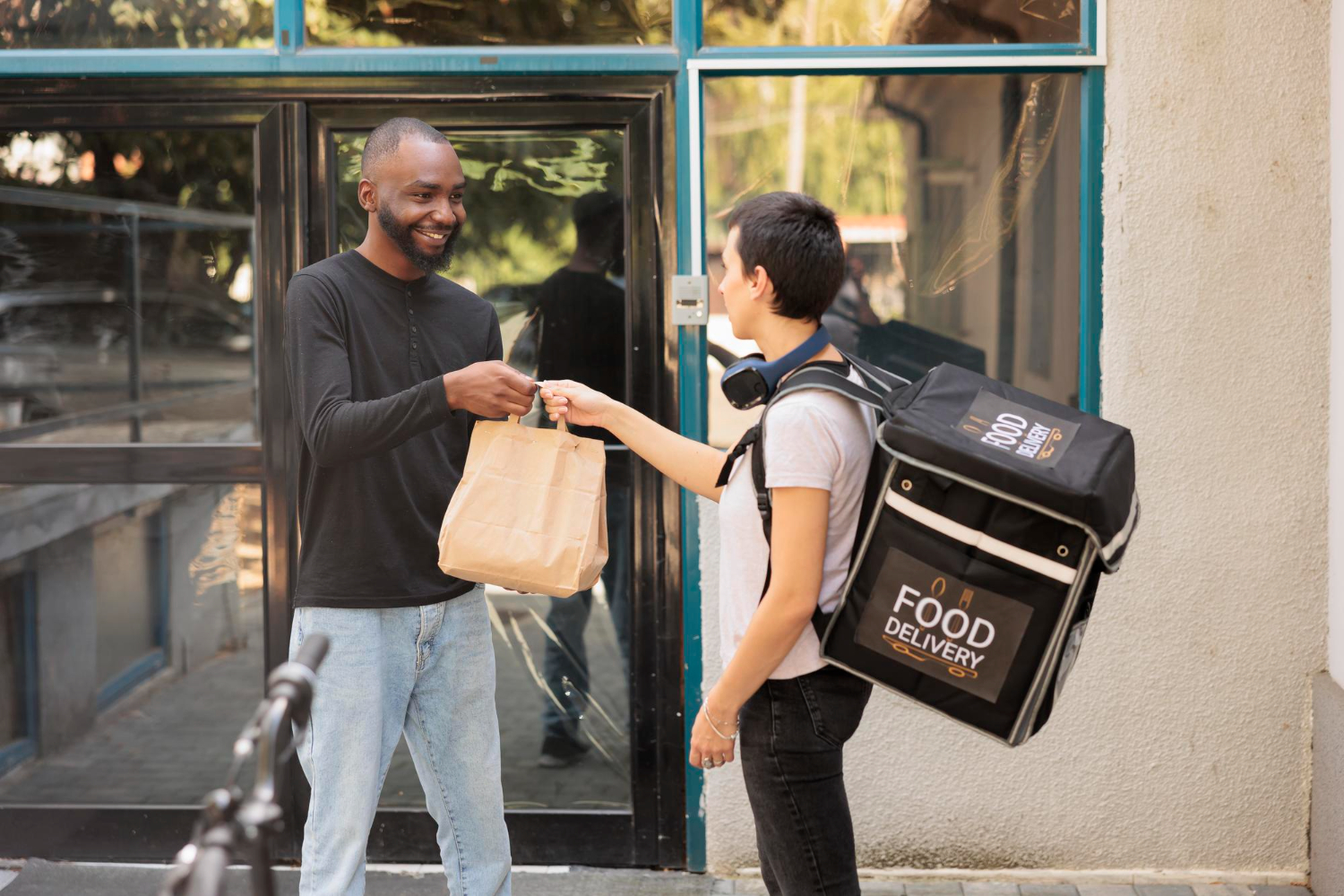
One of the most strategically important findings in the DoorDash report challenges a common assumption about how delivery and dine-in relate to each other. Many operators think of delivery customers and in-person guests as separate populations, people who either order online or visit in person, rarely crossing between the two channels.Sixty-two percent of customers told DoorDash that ordering delivery from a restaurant led them to later eat there in person. And even more, 74%, said they’d done the reverse: dined in and later ordered delivery.These two channels are not competitors, they are feeders for each other. A guest who discovers your food through a delivery order is a meaningful probability to become an in-person diner. A guest who loves their in-person experience is a high-probability delivery customer. This insight should fundamentally reshape how operators think about their channel strategy, not as a choice between delivery and dine-in, but as a deliberate effort to create a seamless, mutually reinforcing experience across both.DoorDash highlighted this as an opportunity for restaurants to offer loyalty programs that span both on- and off-premise transactions. Ninety percent of consumers would use such a cross-channel program, but only half of operators are actively offering these features in their loyalty programs,That gap, 90% of consumers willing to use a cross-channel loyalty program, only 50% of operators offering one, represents one of the clearest and most accessible competitive opportunities in the current restaurant landscape. A loyalty program that recognizes and rewards a guest whether they’re eating in your dining room or ordering from their couch signals that you value the relationship, not just the transaction. That signal builds the kind of emotional loyalty that is far more durable than any promotional discount.Sixty-four percent of consumers would prefer to use a single app for delivery, pickup and reservations.Simplicity is a competitive advantage. The fewer steps between a guest’s impulse and their completed order, the higher the conversion rate. Technology investments that consolidate the guest experience, integrating delivery, pickup, and reservation functions into a single, seamless platform, remove the friction that causes potential guests to abandon the process and choose a competitor whose digital experience is easier to navigate.TheU.S. Small Business Administration’s digital marketing resources offer practical guidance on building and maintaining a digital presence that works across channels, useful context for operators building their first integrated online strategy or updating one that hasn’t been refreshed in years.
Loyalty Is Personal, Make It Feel That Way
The final and perhaps most human insight from the DoorDash report is about what actually drives loyal behavior in restaurant guests. The answer, consistently, is personalization, the feeling of being known, recognized, and remembered.Sixty-five percent of consumers said that a restaurant remembering their preferences, like allergies or favorite dishes, would impact how often they visit. And 63% said getting a menu recommendation from staff made them come back.A staff recommendation. Not a push notification. Not a promotional discount. A human being at your restaurant taking the time to say “based on what you usually order, you might love this”, that gesture, more than almost any marketing investment, drives repeat visits. This is the essence of hospitality, and the data confirms that it remains as powerful as it has ever been, even in a world of AI recommendations and algorithmic personalization.Only 30% of restaurants are targeting all of their promotions to specific customer groups or behaviors.The other 70% are sending the same message to everyone, which means they’re sending a relevant message to almost no one. Targeted, personalized marketing communications are no longer the exclusive domain of large chains with sophisticated CRM systems. Email platforms, loyalty apps, and POS integrations available to independent operators today make meaningful personalization accessible at virtually any scale. The operators who figure this out will generate dramatically higher engagement, higher conversion, and higher return visit rates from their existing customer base.For Florida food service operators building the kind of compliant, well-trained team that can deliver the personalized, high-quality experience today’s diners are looking for, ensuring every team member holds validflorida food handler certificates is the operational foundation everything else is built on. A certified team is a confident team, and confident teams deliver the kind of service that turns a first-time delivery customer into a regular dine-in guest.TheFederal Trade Commission’s guidelines on digital marketing and online reviews provide important context for restaurant operators managing their online reputation and guest communications, ensuring that your digital presence is not only compelling but compliant.florida food handler certificates
From First Click to Loyal Guest
The journey from a diner’s first search to their tenth visit runs through more touchpoints than ever before, and every one of those touchpoints is an opportunity to win them or lose them. Word of mouth remains king, which means the experience you deliver in your dining room and through your delivery packaging is still your most powerful marketing tool. But the digital infrastructure surrounding that experience, your listings, your photos, your menu descriptions, your reviews, your loyalty program, your mobile presence, has become the indispensable scaffolding that makes the word of mouth possible.Whether you’re looking to get found by new guests, convert their first order into a visit, or turn occasional visitors into regulars who feel genuinely known, the strategies are clear and the data is unambiguous. Build the digital presence that gets you discovered. Create the menu experience that converts discovery into decisions. Deliver the human connection that turns transactions into relationships.And for operators who need expert guidance navigating the more complex dimensions of food service operations, from compliance and certification to legal and regulatory challenges, Ken Kuscher is here to help. As a trustedflorida food expert witness and recognizedfood safety expert, Ken brings decades of deep industry knowledge to operators, attorneys, and food service businesses across Florida. Getting your team certified withflorida food handler certificates best price is the first step toward building the kind of operation that doesn’t just get found, it gets chosen, again and again.
Avoid fines by ordering your Florida Department of Business and Professional Regulation-approved Food Worker Program certificates today. They’re available for just $4 each. Program #5552749.Place your order online here. For additional information, you can call (561) 703-7196.***Please note that the insightful and engaging content provided on our platform is crafted by our dedicated Marketing Department’s content writing team. While Ken Kuscher is the esteemed figure and expert within our industry, the articles and blog posts available are not personally authored by Ken.