
The NRN a.m. newsletter for August 3, 2026 pulls together several signals about where the U.S. restaurant industry is heading. Between more cautious expansion plans, big bets on customer loyalty, and welcome news for sports bars and restaurants, the overall picture reflects a sector looking to grow sustainably without sacrificing profitability.
Starbucks slows its pace of expansion
One of the headline stories is that Starbucks is rethinking its development strategy in the U.S. market. Rather than chasing rapid store openings, the chain is opting for more measured, quality-focused growth for each new location. This approach prioritizes profitability and the customer experience over sheer store count.
For a chain the size of Starbucks, easing up on the pace of openings also reflects a more mature market, where truly profitable locations are increasingly hard to find. By concentrating on improving existing stores, optimizing service times, and strengthening its digital channel, the company is looking to protect its margins and avoid cannibalization between nearby stores. It’s a sign that even the sector’s leaders are prioritizing stability over growth at any cost.
Yum Brands strengthens its loyalty programs
Yum Brands, the parent company of chains like Taco Bell and KFC, is doubling down on loyalty programs. The strategy aims to deepen relationships with regular customers through rewards and personalized experiences, an increasingly important tool for retaining diners in a competitive environment.
Loyalty programs have become one of the most valuable tools for quick-service chains, because they generate direct data on each customer’s buying habits. With that information, brands like Taco Bell and KFC can design sharper promotions, anticipate demand, and increase visit frequency. At a time when winning new customers is expensive, strengthening the bond with existing ones is a more efficient path to sustaining sales.
BJ’s Restaurants keeps its traffic growing
BJ’s Restaurants reported that it continued to drive growth thanks to increased traffic to its locations during the second quarter. This type of growth, driven by more customers rather than price increases alone, is generally considered a healthy signal for chains in the sector.
When a chain grows because more people are walking through the door, it shows the value proposition is resonating with diners. That’s especially relevant in a context where many operators have leaned on higher prices to protect revenue. BJ’s traffic-led performance suggests its menu, service, and positioning are connecting with customers, a more sustainable foundation for the long term.
Relief for bars and restaurants with the NFL Sunday Ticket
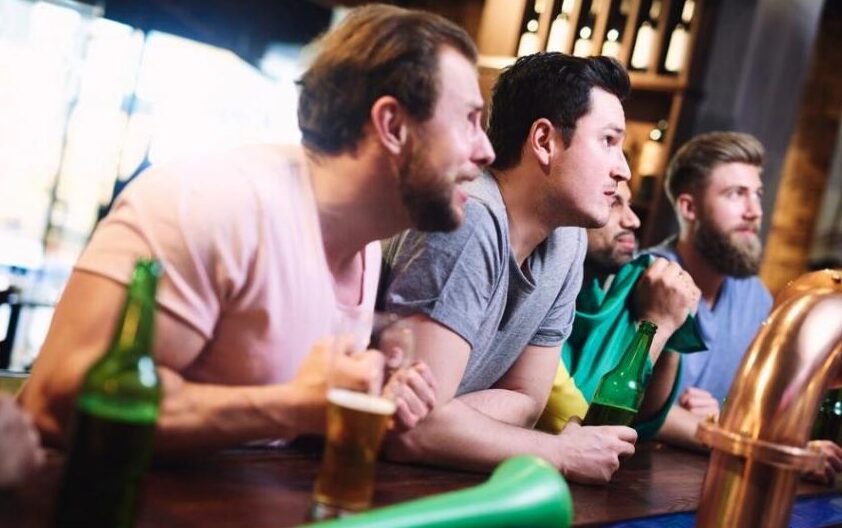
A particularly relevant piece of news for the hospitality industry is that restaurants and bars are getting relief on the NFL Sunday Ticket package. For establishments that build a large part of their weekend business around live sports, changes that make access to games easier or more affordable can have a direct impact on foot traffic and revenue.
Sports programming is a powerful draw for bars and restaurants: game days fill tables, extend average stays, and boost beverage and food sales. Any easing on the cost or terms of access to the NFL Sunday Ticket therefore translates into a real competitive advantage, especially for independent operators who compete against larger venues for the sports-fan audience.
Menu innovation and technology
The newsletter also highlights menu news from chains such as Wendy’s, Starbucks, and The Cheesecake Factory, along with innovation moves at brands like Bonchon, Cousins Subs, Dave & Buster’s, Jamba, and Krispy Kreme. On the technology front, it notes an investment tied to the platform InKind, a reminder that funding and tech tools remain central to the industry’s evolution.
Constant menu innovation and adoption of new technologies are two levers chains use to stay relevant. New products generate buzz and attract customers looking for novelty, while digital tools improve operational efficiency, personalize offers, and streamline both in-store and delivery ordering. Together, these fronts show a sector that keeps investing to adapt to changing consumer expectations.
What this means for operators
Taken together, these signals point to a restaurant industry that is maturing and becoming more strategic. The message for operators is clear: sustainable growth increasingly comes from retaining and better serving existing customers, optimizing operations, and making the most of moments of high demand, rather than from aggressive expansion or price hikes alone.
For small and mid-sized operators, the takeaways are practical: invest in loyalty and repeat-customer relationships, take advantage of drivers like live sports to fill tables on strategic days, and adopt technology that improves efficiency without losing the personal touch. In a market where every customer counts, the ability to combine profitability, experience, and innovation will be what sets the winners apart in the months ahead.