For decades, ordering a glass of wine, a cocktail, or a cold beer was considered an essential part of the restaurant dining experience. Yet today, an undeniable shift is underway: more restaurant customers are saying no thanks to alcohol. Instead, they’re exploring non-alcoholic options, choosing health, wellness, and lifestyle balance over traditional bar orders.
This cultural change is reshaping restaurant menus, altering profit strategies, and creating exciting opportunities for beverage innovation. From the growing popularity of mocktails to the rise of premium non-alcoholic spirits, the foodservice industry is rethinking what it means to “raise a glass.”
Restaurants across the country are finding themselves at a crossroads. While alcohol has historically been one of the most profitable items on the menu, guests are increasingly choosing options that don’t come from the bar. For operators, this means reimagining beverage programs, training staff to deliver zero-proof creations with the same artistry as craft cocktails, and embracing new suppliers who specialize in alcohol-free alternatives. What once seemed like a niche demand has grown into a mainstream expectation, and restaurants that fail to adapt risk falling behind.
At the same time, this shift is generating excitement and creativity in the industry. Beverage directors, chefs, and bartenders are experimenting with seasonal fruits, house-made syrups, and globally inspired flavors to design mocktails that rival their alcoholic counterparts. For diners, this offers not only a healthier alternative but also a more inclusive experience, one where everyone at the table can participate in the ritual of ordering something special to drink. It’s no longer about whether a beverage contains alcohol; it’s about the story it tells, the flavors it layers, and the experience it delivers.
The Data Behind the Decline in Alcohol Orders
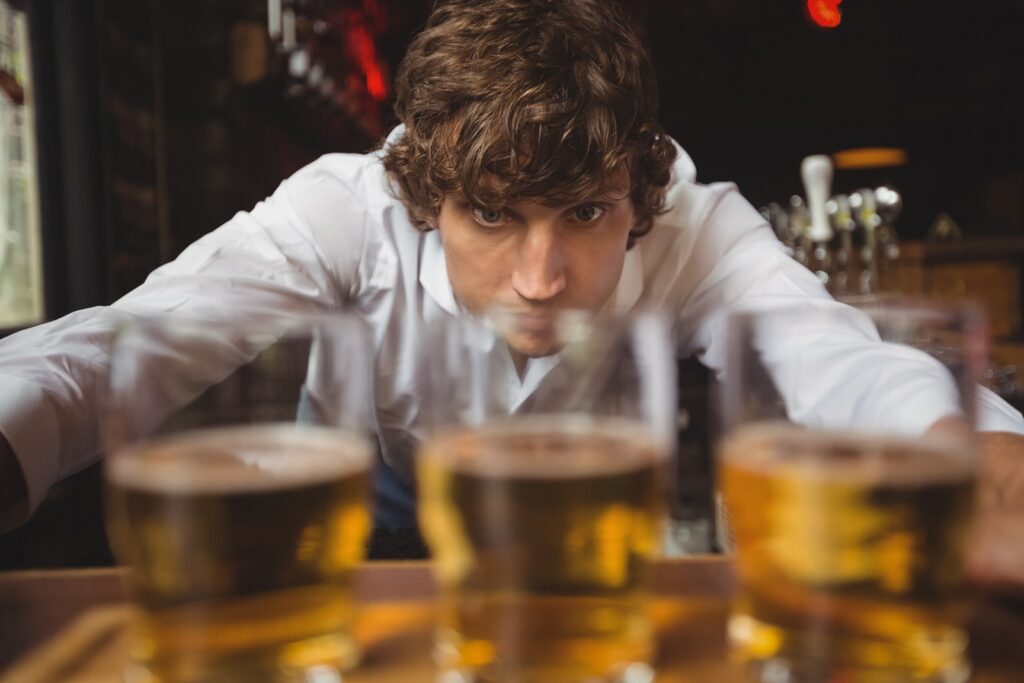
Recent reports from restaurant industry publications highlight a steady decline in alcohol consumption during dining experiences. Guests who once ordered a glass of wine with dinner are now more likely to request sparkling water, kombucha, or a crafted zero-proof cocktail.
This is not a fleeting trend, it’s part of a long-term cultural shift. Surveys and sales reports show:
- Younger generations (Gen Z and Millennials) are leading the charge, often identifying as “sober-curious” or limiting alcohol consumption for health reasons.
- Wellness and fitness culture has reshaped drinking habits, with many consumers avoiding alcohol to align with healthy lifestyles.
- Economic factors are also playing a role, alcohol is often one of the highest markups on a restaurant menu, and diners conscious of their budgets are scaling back.
For restaurants, this means beverage sales, once a consistent source of profit, are being challenged. But it also means new opportunities are emerging.
The Rise of Mocktails: More Than Just “Juice in a Fancy Glass”
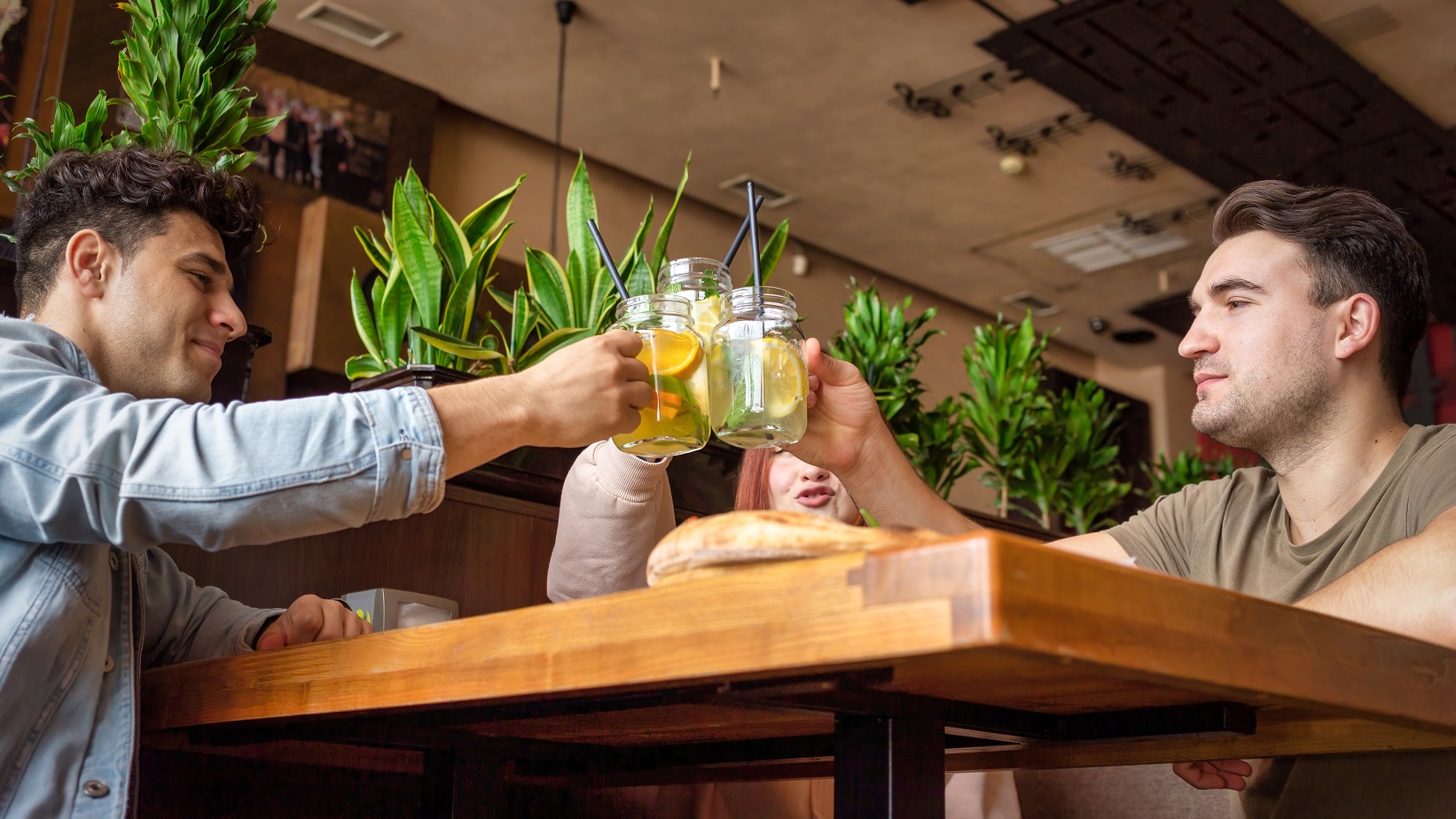
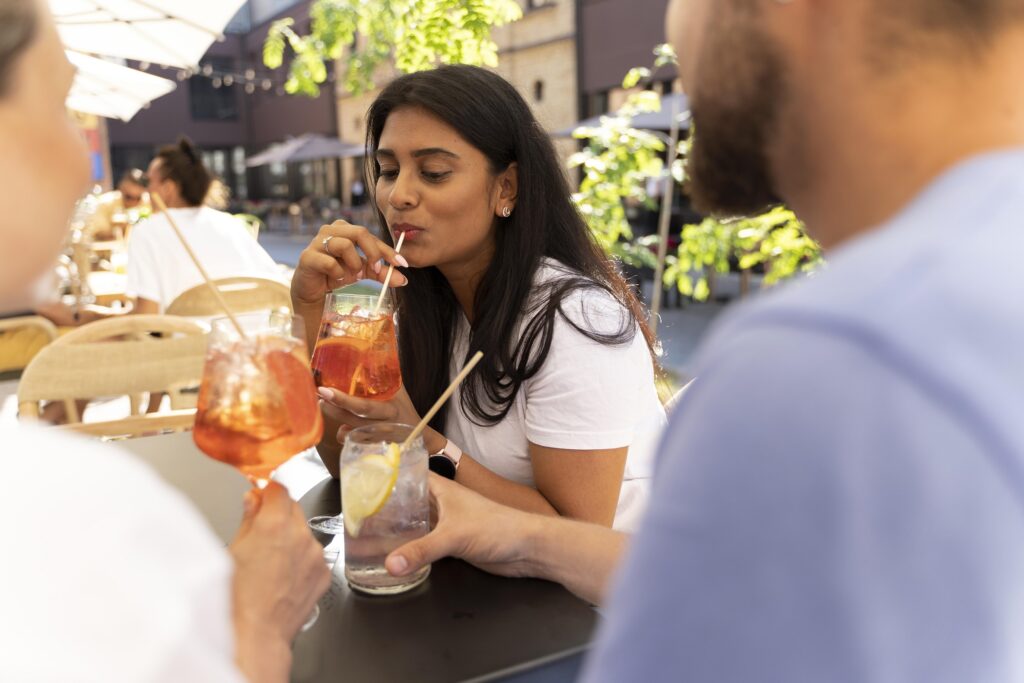
Non-alcoholic drinks have come a long way. A decade ago, a “mocktail” was often nothing more than orange juice, grenadine, and a maraschino cherry. Today, restaurants are crafting sophisticated, multi-layered zero-proof cocktails using techniques traditionally reserved for spirits.
Some trends fueling this boom include:
- Premium Non-Alcoholic Spirits: Brands like Seedlip and Ritual have created botanical blends that mimic the complexity of gin, whiskey, or tequila, without the alcohol.
- Fermented Beverages: Kombucha, kefir water, and tepache have introduced tangy, probiotic-rich alternatives that appeal to health-conscious diners.
- Creative Garnishes and Presentation: Mocktails are no longer an afterthought. They’re served with fresh herbs, artisanal ice, and glassware that elevate the experience.
- Menu Integration: Restaurants now dedicate full sections of their drink menus to non-alcoholic creations, treating them with the same attention as craft cocktails.
For many customers, choosing a mocktail isn’t just about avoiding alcohol, it’s about enjoying a curated, flavorful experience that feels special.
Why Customers Are Ordering Less Alcohol
The reasons behind this shift are varied, but they all connect to broader societal movements.
- Health and Wellness Priorities
More diners are prioritizing physical health, mental clarity, and sleep quality. With rising awareness of alcohol’s effects, many are cutting back without fully abstaining. - Sober-Curious Movement
Particularly popular among younger consumers, “sober-curious” lifestyles encourage exploring social life without alcohol. This doesn’t always mean total sobriety but often leads to reduced drinking in restaurants. - Economic Awareness
A single cocktail can cost $15–20 in a metropolitan restaurant. Many diners prefer spending that money on food or dessert rather than drinks. - Legal and Lifestyle Considerations
From avoiding DUIs to maintaining productivity, customers are making conscious choices to limit alcohol when dining out.
This shift doesn’t spell doom for restaurants, it simply requires adaptation.
How Restaurants Are Adapting to Changing Beverage Preferences
Forward-thinking operators see the shift away from alcohol not as a problem but as a chance to innovate. Some strategies include:
- Expanding Non-Alcoholic Menus: Crafting house-made syrups, infused teas, and botanical blends to provide variety and sophistication.
- Promoting Pairings: Offering mocktail pairings with tasting menus, mirroring the wine-pairing experience.
- Highlighting Local and Seasonal Ingredients: Fresh herbs, farm-grown fruits, and regional flavors make zero-proof drinks stand out.
- Pricing Strategies: Positioning mocktails at a premium but approachable price point (around $7–10) to maintain profitability without discouraging orders.
For restaurants, adaptation goes beyond simply listing a few “virgin” cocktails at the bottom of the menu. Successful operators are creating beverage programs that feel intentional and aligned with the overall brand experience. Upscale restaurants may highlight complex, layered drinks that complement tasting menus, while casual eateries lean into fun, colorful mocktails designed for social sharing and Instagram appeal.
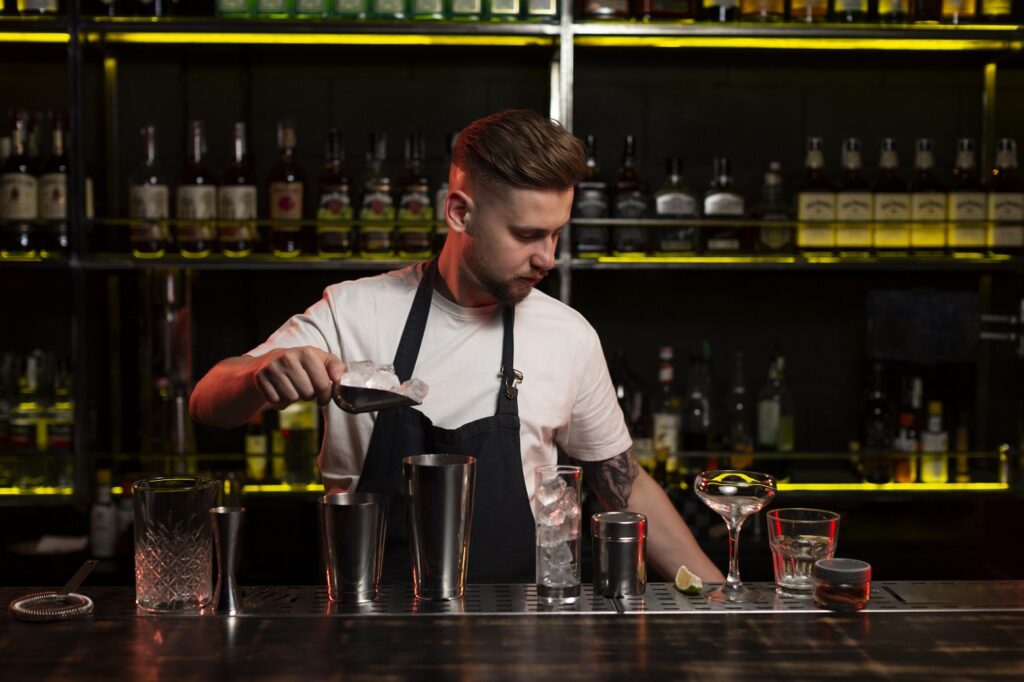
Training is also essential. Bartenders who once relied on alcohol to carry flavor must now experiment with new ingredients, from smoked herbs to rare teas, to achieve depth and balance in their zero-proof creations. In addition, marketing plays a critical role. Highlighting these beverages on digital menus, social media, and server recommendations ensures guests feel encouraged to explore non-alcoholic options.
The most successful restaurants are those that recognize this trend as an extension of hospitality. By meeting guests where they are, health-conscious, budget-aware, or sober-curious, operators can build stronger loyalty and differentiate themselves in an increasingly competitive dining market.
The Mocktail Economy: Revenue Opportunities Beyond Alcohol
Alcohol sales have long been a profit cornerstone for restaurants, but the mocktail boom is proving that revenue doesn’t have to suffer. In fact, some operators report that customers ordering non-alcoholic beverages often try more items on the food menu, leading to higher overall check averages.
Additionally, restaurants can:
- Appeal to Groups and Families: A diverse beverage menu ensures everyone at the table has an exciting option.
- Attract New Customer Segments: Health-conscious guests, sober-curious individuals, and parents appreciate inclusive drink options.
- Host Dry Events: From corporate dinners to wellness retreats, alcohol-free events are becoming more common, and profitable.
The mocktail economy represents more than just replacing alcohol with another beverage. It’s about building an experience that feels equally indulgent, even without the buzz. Guests are willing to pay a premium for beautifully crafted, non-alcoholic drinks because they perceive value in the creativity, ingredients, and social experience.
For restaurants, this means a chance to reimagine pricing strategies. While alcohol traditionally carried high markups, zero-proof cocktails can deliver similar margins when built with affordable ingredients and creative presentations. Restaurants that highlight their mocktail programs as signature offerings often see guests ordering multiple drinks during a single meal, boosting profitability.
This shift also expands catering opportunities. Businesses, schools, and wellness groups increasingly host alcohol-free events, and restaurants with strong mocktail programs are better positioned to win those contracts. Ultimately, the mocktail economy is not a loss of revenue but a new revenue stream, one that aligns perfectly with modern consumer values.
Industry Challenges in the Alcohol Decline Era
Of course, shifting away from alcohol comes with hurdles.
- Training Staff: Bartenders must learn new techniques for crafting non-alcoholic drinks with complexity and flair.
- Supply Chain Adjustments: Stocking non-alcoholic spirits, fermented beverages, and fresh garnishes requires different purchasing strategies.
- Marketing Balance: Restaurants need to promote non-alcoholic offerings without alienating traditional drinkers who still expect robust cocktail and wine lists.
The key lies in balance, maintaining classic bar offerings while embracing the future of beverage trends.
Global Perspective: Alcohol Decline Across Cultures
This isn’t just a U.S. phenomenon. Internationally, countries from the UK to Japan are seeing similar declines in alcohol consumption, particularly among younger generations. The global non-alcoholic spirits market is projected to grow exponentially over the next decade, reflecting a cultural rethinking of drinking habits worldwide.
In the United Kingdom, for example, the rise of “Dry January” has become more than a seasonal challenge, it’s now a cultural event that encourages millions of people to start the year alcohol-free. Restaurants and pubs have adapted by expanding zero-proof options to keep guests engaged. Meanwhile, in Japan, where traditional drinking culture has been strong for decades, younger consumers are shifting toward alcohol moderation and healthier lifestyle choices, leading to an increased demand for non-alcoholic beer and cocktails.
Global beverage companies are taking note. Major breweries and distilleries are investing heavily in alcohol-free product lines, understanding that the market is no longer limited to designated drivers or pregnant women, it’s for anyone seeking flavorful alternatives without the side effects of alcohol.
For restaurants in the U.S., this global perspective offers valuable lessons. International trends often foreshadow what will happen domestically. By watching how overseas operators incorporate mocktails and non-alcoholic menus, American restaurants can anticipate customer expectations and stay ahead of the curve. This trend is not about isolation; it’s about participating in a global redefinition of dining and drinking culture.
The Future of Restaurant Beverage Trends
Looking ahead, restaurants can expect the following developments:
- Hybrid Menus: Combining alcohol and non-alcoholic versions of the same drinks (e.g., “classic margarita” vs. “zero-proof margarita”).
- Collaboration with Beverage Brands: Partnering with non-alcoholic spirit makers to launch signature drinks.
- Wellness-Centered Dining: Mocktails will play a central role in wellness-focused restaurants that emphasize balance and mindful eating.
- Technology Integration: QR-code menus and digital ordering platforms make it easier to promote and educate guests about non-alcoholic drink options.
This future is less about replacing alcohol and more about expanding choice.
Resources for Restaurant Operators
For those interested in learning more about the broader foodservice landscape, here are helpful resources:
- U.S. Department of Agriculture: Food Service Industry Data
- Centers for Disease Control and Prevention: Alcohol and Public Health
- National Restaurant Association: Industry Insights
These insights can help operators understand both the challenges and opportunities of changing consumer preferences.
Why This Trend Matters for the Food Industry
The decline in alcohol orders isn’t just about beverages, it’s about how consumers define the dining experience. Restaurants that embrace innovation in their drink menus show that they understand their guests’ evolving priorities.
Whether it’s offering wellness-driven options, embracing inclusivity, or creating Instagram-worthy zero-proof cocktails, restaurants that adapt will not only maintain revenue but also strengthen their brand reputation. Guests today want to feel seen and understood, and their beverage choices are often a reflection of deeper values such as health, balance, and social responsibility.
For the broader food industry, this shift signals a move toward more holistic hospitality. Just as menus have expanded to include gluten-free, vegan, and allergen-conscious options, beverage programs must evolve to meet the same expectations of diversity and inclusivity. Operators who recognize this alignment between food and beverage culture will be better equipped to serve tomorrow’s diners.
Additionally, embracing mocktails can enhance a restaurant’s brand story. Establishments that prioritize local ingredients, sustainability, or wellness can reinforce those values through thoughtfully designed drink menus. This creates consistency across the entire dining experience, which resonates with modern consumers who care deeply about authenticity.
Ultimately, this trend matters because it reflects a transformation in how people connect with food, drink, and community. Restaurants that see mocktails not as replacements but as opportunities will thrive, not only financially, but also as leaders in shaping the future of dining culture.
Final Thoughts
The restaurant world is in the midst of a beverage revolution. Alcohol will always have its place, but today’s diners are proving that a great meal doesn’t require a glass of wine or a cocktail to feel complete. With mocktails rising, restaurants have a chance to create memorable, inclusive experiences that match modern lifestyles.
For industry professionals, staying informed on these shifts is essential. At Ken Kuscher, resources are available for understanding the many dimensions of foodservice, from florida food handler certificates to florida food expert witness.
Restaurants may be serving fewer cocktails, but they’re crafting more experiences, and in today’s market, that’s what truly matters.
Florida Food Handler Certificates
Avoid fines by ordering your Florida Department of Business and Professional Regulation-approved Food Worker Program certificates today. They’re available for just $4 each. Program #5552749.
Place your order online here. For additional information, you can call (561) 703-7196.
***Please note that the insightful and engaging content provided on our platform is crafted by our dedicated Marketing Department’s content writing team. While Ken Kuscher is the esteemed figure and expert within our industry, the articles and blog posts available are not personally authored by Ken.