

The restaurant industry has always been about more than just food. It’s about experiences, community, and the seamless blend of tradition with innovation. Over the past two decades, technology has revolutionized nearly every aspect of the dining experience, from how we order to how businesses manage operations behind the scenes. But as we move into a new era, many are asking: what’s next for restaurant technology?
The answer lies not just in shiny gadgets or digital tools but in how restaurants will strategically adopt emerging tech to create efficiencies, personalize dining, and adapt to changing consumer expectations. For food industry professionals, staying ahead of these shifts is more than a trend, it’s essential for survival and growth.
Technology in dining has always reflected broader cultural shifts. Twenty years ago, the focus was on getting online ordering and delivery right; today, the conversation is about AI, robotics, and sustainability. Each wave of innovation has redefined what “convenience” and “hospitality” mean for diners, while also creating new challenges for operators. Now, as customers expect more transparency, personalization, and eco-consciousness, restaurants must lean on technology not just as a support system, but as a driver of trust and brand loyalty.
At the same time, these changes don’t exist in isolation. Government regulations, workforce training, and industry standards shape how quickly innovations can be adopted. Just as restaurants have had to adapt to new compliance rules, such as ensuring all staff have the proper florida food handler certificates, they will need to navigate the responsibilities that come with using advanced tools like AI-driven analytics or robotics in the kitchen. The future of restaurant technology will therefore be defined by a delicate balance between innovation, regulation, and the human touch that keeps dining experiences memorable.
Looking Back at Two Decades of Digital Transformation
The last twenty years have been nothing short of transformative for restaurants. Online ordering platforms, mobile apps, digital menus, and delivery services redefined convenience for consumers. Point-of-sale (POS) systems evolved from simple cash registers into powerful, cloud-based management hubs.
Food safety and compliance also benefitted from digital innovation. Online systems now help operators train staff, manage certifications, and ensure that food handler standards are met efficiently. In states like Florida, operators increasingly rely on tools that make it easier to access florida food handler certificates and meet requirements without disrupting business operations.
Meanwhile, data collection has allowed restaurants to personalize marketing, track customer preferences, and analyze sales patterns like never before. Loyalty apps and digital payment options gave customers more flexibility while allowing restaurants to strengthen relationships with their base.
As impressive as these changes are, the next wave of technology promises to go even further, bridging digital and physical experiences in ways that will reshape the industry.
The Rise of AI and Automation in Restaurants
Artificial Intelligence (AI) is no longer just a buzzword, it’s an active force in modern dining. From chatbots that answer customer questions to predictive analytics that forecast inventory needs, AI is rapidly becoming a cornerstone of restaurant operations.
Where AI Is Already Making a Difference
- Smart Ordering Systems: AI-driven kiosks and voice assistants streamline the ordering process while reducing labor costs.
- Predictive Inventory Management: AI tools analyze sales history and market data to predict stock needs, minimizing waste.
- Personalized Marketing: Customer data helps restaurants target diners with offers tailored to their preferences.
- Food Safety Alerts: AI-powered sensors can monitor kitchen conditions in real time, preventing risks before they escalate.
For restaurant owners in Florida and beyond, adopting AI is more than a matter of efficiency, it’s about long-term competitiveness. Just as businesses rely on resources to stay compliant, leveraging AI ensures they remain agile in an evolving market.
What’s Next for AI
Looking ahead, AI may soon power fully automated kitchens where robots assist with food prep, or predictive systems that anticipate consumer demand at a neighborhood level. Some experts even suggest AI could integrate with delivery apps to optimize driver routes, reducing wait times and costs.
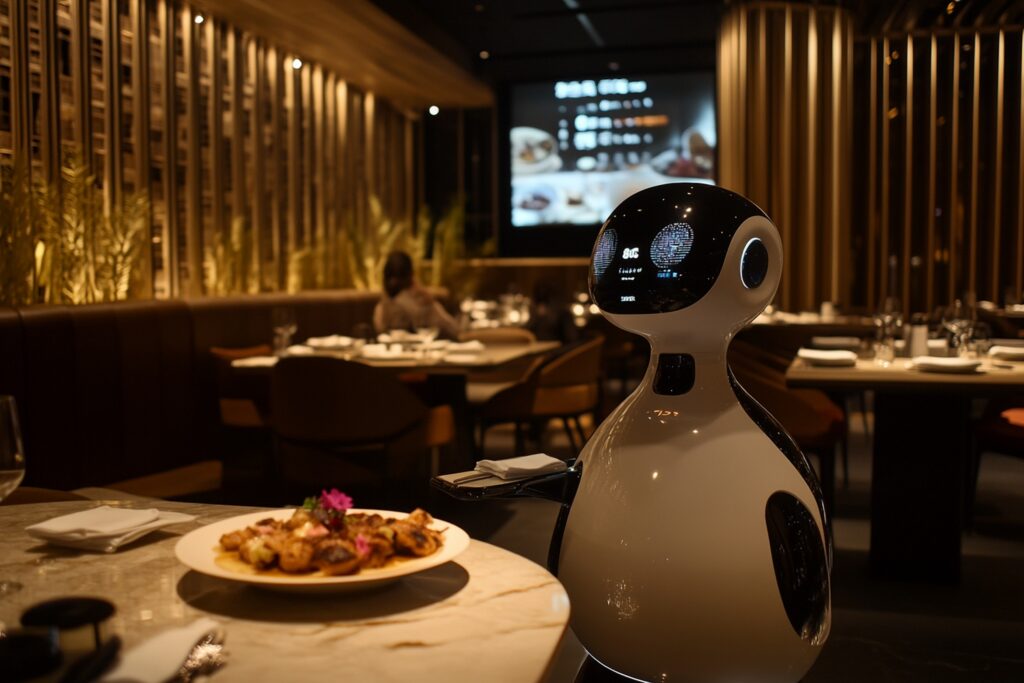
The Expanding Role of Robotics
While automation has existed for years in fast food assembly lines, robots are taking on more complex tasks today. Robotic arms can now flip burgers, plate dishes, and even mix cocktails, while robotic delivery carts and drones are being tested in select markets. What once sounded futuristic is quickly becoming a reality in everyday operations.
Benefits of Robotics
- Consistency in Quality: Robots reduce human error and ensure uniform preparation.
- Speed and Efficiency: Faster prep means shorter wait times for customers.
- Labor Support: Robots help fill gaps during labor shortages, a challenge many restaurants continue to face.
But beyond efficiency, robotics also play a role in enhancing customer engagement. Some restaurants use robotic servers to bring meals to tables, adding novelty and creating shareable experiences that attract social media attention. In other cases, robots are integrated seamlessly into kitchens, handling repetitive or dangerous tasks like deep-frying to improve safety.
Human + Robot Collaboration
Importantly, robots are not replacing humans entirely. Instead, they are taking over repetitive tasks, allowing staff to focus on creativity, guest interaction, and management. This collaboration is key to preserving hospitality while streamlining back-of-house processes.
As adoption grows, costs are expected to drop, making robotics accessible even to small and mid-sized operators. The restaurants that view robotics as a partnership, rather than a replacement, will be the ones that thrive in the next era of dining.
Data-Driven Decision Making
Data has long been described as the new “currency,” and restaurants are increasingly investing in tools to make sense of it. Advanced analytics can provide insights into everything from menu performance to guest demographics, helping operators make smarter, more profitable decisions.
How Restaurants Use Data
- Menu Engineering: Identifying high-margin dishes and highlighting them strategically.
- Customer Preferences: Understanding ordering habits to introduce seasonal promotions.
- Operational Efficiency: Monitoring sales trends to adjust staffing levels.
The beauty of data-driven operations is that they take the guesswork out of management. Instead of relying solely on instinct, owners can use analytics platforms to determine when to run promotions, which dishes to spotlight, and how to allocate labor effectively. This type of decision-making becomes especially powerful in competitive markets where small efficiencies can significantly impact profit margins.
Restaurants that combine data insights with compliance position themselves as trustworthy and well-prepared businesses. Customers increasingly prefer brands that not only serve great food but also operate transparently and responsibly.
Data Ethics and Privacy
Of course, data also comes with responsibility. Restaurants must comply with privacy regulations to protect customer information, particularly as loyalty apps and online ordering systems collect sensitive data. Cybersecurity concerns are rising, and safeguarding guest trust will be just as critical as leveraging insights.
In the future, data analytics may merge with AI, allowing restaurants to predict customer behavior even before they walk through the door. By responsibly harnessing data, operators can improve service while ensuring every decision aligns with both consumer expectations and regulatory standards.

Guest Experience in the Digital Age
At the heart of all these changes lies the guest. Technology may evolve rapidly, but its purpose is always to enhance the customer experience.
Key Guest-Facing Innovations
- Contactless Dining: Mobile ordering, digital payment, and QR menus remain popular for convenience and safety.
- Augmented Reality (AR) Menus: Imagine pointing your phone at a dish on the menu to see a 3D rendering of how it looks.
- Voice-Powered Ordering: Smart speakers and AI assistants streamline at-home ordering.
- Smart Loyalty Programs: Integrated rewards systems that connect across delivery platforms and in-house dining.
Restaurants must remember that while technology enhances efficiency, the warmth of hospitality cannot be replaced.
Sustainability and Technology
Sustainability is no longer optional. Diners, particularly younger generations, increasingly demand eco-conscious practices, and technology is helping restaurants rise to the challenge.
Tech Supporting Sustainability
- Smart Energy Systems: Tools that monitor and optimize energy usage in kitchens.
- Food Waste Tracking: Software that identifies waste patterns and suggests improvements.
- Supply Chain Transparency: Blockchain systems that verify sourcing and ensure ethical practices.
Adopting these tools not only supports the planet but also creates cost savings. Energy-efficient appliances reduce utility bills, while waste-tracking software helps restaurants cut unnecessary expenses. For operators, sustainability is increasingly a business decision as much as an ethical one.
Technology also builds trust with eco-conscious consumers. Apps that share sourcing information or highlight sustainable practices reassure guests that their choices align with their values. For instance, blockchain-enabled supply chains allow diners to trace ingredients from farm to table, reinforcing transparency.
The move toward sustainability also dovetails with compliance and regulation. Governments are pushing for greener practices, and restaurants that proactively embrace technology will be better positioned to adapt to new standards. By blending innovation with accountability, operators can ensure long-term relevance while appealing to a new generation of eco-aware diners.
Ultimately, sustainability is about balance, reducing impact without sacrificing quality or experience. Restaurants that succeed in this area will use technology not as a gimmick but as a powerful partner in shaping the future of dining.
Training and Workforce Development
Restaurants are people-driven businesses, and staff training remains central to success. The future of training is being shaped by digital tools that make learning more accessible and engaging.
Digital Training Platforms
- Mobile Learning Apps: Staff can train on-the-go, completing modules during downtime.
- Virtual Reality (VR) Training: Immersive simulations prepare employees for real-world scenarios.
- Compliance Tracking: Systems that ensure certifications, such as food handler certificates florida, are up to date.
This shift not only benefits workers but also reassures consumers and regulators that standards are consistently met.
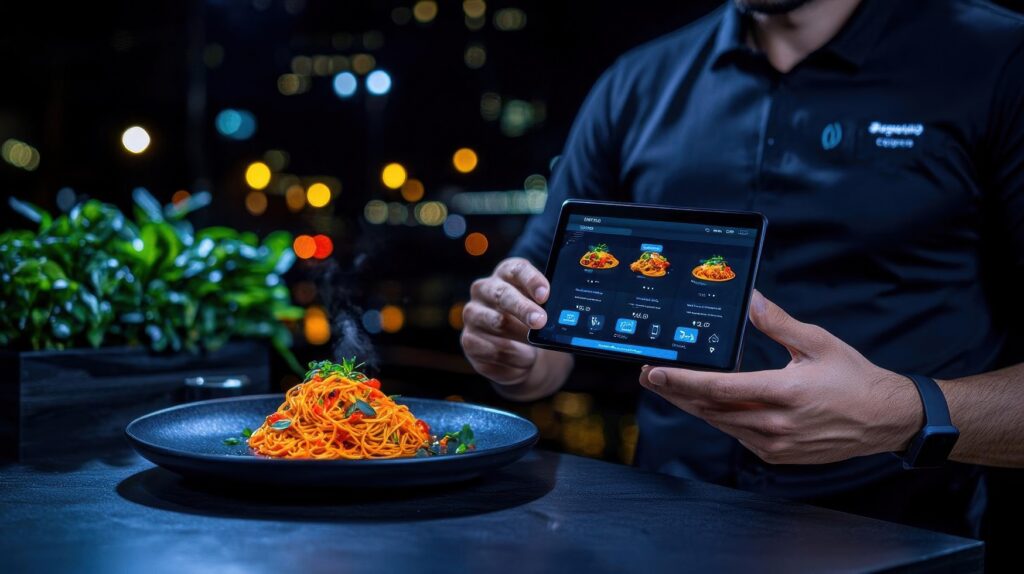
Challenges Restaurants Must Navigate
No discussion of the future would be complete without acknowledging the challenges that come with it. While technology offers opportunities, it also creates new complexities that operators must navigate carefully.
Potential Obstacles
- Rising Costs: Implementing advanced technology can be expensive for small operators.
- Integration Issues: Ensuring that different systems work together seamlessly.
- Cybersecurity Risks: Protecting sensitive data from cyberattacks.
- Human Connection: Preventing technology from overshadowing genuine hospitality.
Balancing innovation with financial realities will remain a pressing issue. Not every restaurant can afford robotics or advanced AI systems, and adoption often requires creative budgeting or phased rollouts. Similarly, technology integration is rarely seamless, and operators may face frustration if platforms don’t communicate effectively.
Cybersecurity is another growing concern. As restaurants collect more customer data through loyalty apps and online ordering, they become potential targets for hackers. Protecting guest information must be treated as a top priority to preserve trust.
Finally, restaurants must guard against losing the personal touch. Technology is meant to support, not replace, the human experience that makes dining special.
Those who plan ahead, invest strategically, and adopt innovations thoughtfully will be best positioned to overcome these hurdles and thrive in the digital future.
Government and Industry Standards
Technology adoption is not just about innovation; it’s also about compliance. Government agencies are increasingly setting standards for data privacy, food safety, and workplace practices.
For restaurant owners, staying informed is critical. Resources such as the U.S. Food & Drug Administration (FDA) and the U.S. Department of Agriculture (USDA) provide essential guidance. Meanwhile, organizations like the National Restaurant Association continue to advocate for balanced policies that support both innovation and safety.
Why This Trend Matters for the Future of Food
The story of restaurant technology is more than a tale of gadgets and software. It’s about how businesses evolve to meet the needs of their customers, employees, and communities. The next era of restaurant technology won’t just make operations faster, it will make them smarter, safer, and more aligned with consumer expectations.
Imagine walking into a restaurant where AI has predicted the dishes most likely to sell that day, reducing waste. Robots assist chefs in preparing ingredients while employees focus on creating memorable experiences. Guests order through intuitive, personalized systems that remember their preferences, while sustainability-focused technology ensures that every step of the process is eco-conscious.
This vision may sound futuristic, but it’s already unfolding. Restaurants that embrace change and adopt forward-thinking tools will not only survive but thrive in a competitive market. Just as securing the right compliance tools, is essential for legal operation, embracing technological innovation is essential for long-term success.
Ultimately, technology is a tool, but it’s people who give it purpose. Restaurant leaders must remember that innovation works best when paired with human connection, creativity, and care. By striking that balance, the future of food promises to be both high-tech and deeply human.
Florida Food Handler Certificates
Avoid fines by ordering your Florida Department of Business and Professional Regulation-approved Food Worker Program certificates today. They’re available for just $4 each. Program #5552749.
Place your order online here. For additional information, you can call (561) 703-7196.
***Please note that the insightful and engaging content provided on our platform is crafted by our dedicated Marketing Department’s content writing team. While Ken Kuscher is the esteemed figure and expert within our industry, the articles and blog posts available are not personally authored by Ken.