There’s a noticeable shift sweeping the restaurant industry. Diners aren’t just looking to fill their stomachs, they’re looking to fill their souls. In a world where food delivery is faster than ever and culinary content floods social media feeds, restaurants are no longer competing solely on flavor. They’re competing on feelings. Today’s consumers want more than a meal they want an experience.
The rise of experiential dining reflects a deeper transformation in consumer values. Modern guests aren’t satisfied with the transactional nature of ordering food and many now view dining out as an opportunity to connect emotionally, culturally, and socially. For them, a restaurant visit is a curated escape from the ordinary chance to celebrate, learn, be entertained, or simply be surprised. From ambient lighting and interactive menus to personalized service and immersive design, every touchpoint contributes to whether a visit is remembered or forgotten.
This evolution in dining culture is creating a new benchmark for success in the food service industry. It’s no longer enough to offer “good food at a good price.” Today, restaurants must offer atmosphere, story, personality, and a sense of occasion. Whether it’s a local café offering live jazz nights or a fine dining venue choreographing every dish with theatrical flair, establishments that prioritize experience are not only delighting customers they’re driving repeat business and standing out in an ultra-competitive market.
What Is Experiential Dining, Really?
Experiential dining is about creating memorable, emotionally resonant, and sensory-rich meals that go beyond what’s on the plate. It’s the ambiance, the story behind the food, the personalized service, the décor, the music, the interactivity, even the surprise elements that transport guests to another world.
But it’s also more nuanced than simply making a restaurant “fun.” True experiential dining taps into all five senses and creates a cohesive narrative that guests can feel from the moment they walk in to the moment they leave. Whether diners are stepping into a 1950s diner, a candle-lit garden patio, or a vibrant open kitchen, the setting becomes part of the meal’s memory.
Restaurants today are curating environments that tell a story and immerse the diner in a journey. This might mean staff dressed in themed uniforms, serving food on handcrafted dishes, or providing entertainment like live music or culinary demos. The experience can be extravagant or subtle as long as it’s intentional and adds emotional value.
And experiential dining isn’t only for high-end venues. Quick-service restaurants are adding personalized greetings, local artwork, and curated playlists to elevate their in-person appeal. Even food trucks are incorporating branding and engagement strategies that make the meal feel unique.
In short, experiential dining transforms eating from a function into an event. It creates moments worth sharing, stories worth retelling, and experiences that encourage customers to come back not just for the food but for the feeling.
The Numbers Tell the Story
According to recent insights from Nation’s Restaurant News, consumers are placing more value on how they eat, not just what they eat. In a study cited in their July 2025 report, 68% of consumers said they prefer restaurants that offer “unique experiences,” even if the food isn’t necessarily better than a competitor’s. That’s a massive shift from just a decade ago when quality and price ruled every decision.
This doesn’t mean food quality no longer matters. On the contrary, it’s a foundational piece. But it’s no longer the entire puzzle.
Why the Shift? A Perfect Storm of Cultural Forces
Several cultural and economic trends are fueling this appetite for more immersive dining:
1. The Post-Pandemic Perspective
After years of isolation and home-cooked meals, people are hungry for connection and adventure. Dining out is no longer a routine, it’s an event, a form of self-care, a chance to reconnect with loved ones and experience the world.
2. The Social Media Effect
Instagram, TikTok, and YouTube have become dining discovery engines. Dishes that sizzle, surprise, or sparkle are far more likely to go viral. The more Instagrammable the venue and meal, the greater the buzz.
This has led to what many call the “camera eats first” phenomenon. Diners are actively seeking restaurants that deliver visual and sensory appeal, not just good taste.
3. Millennial and Gen Z Expectations
Millennials and Gen Z consumers value experiences over things. Research from Pew Research Center shows that younger generations prioritize spending on events and experiences more than any demographic before them. For them, dining out is as much about identity and community as it is about cuisine.
Experiential Dining in Action: Trends to Watch
Restaurants across the country and the globe are embracing this shift in exciting ways. Here are just a few of the strategies being adopted:
1. Immersive Themes
From speakeasy-style lounges hidden behind bookshelves to restaurants designed to look like 1920s train cars or tropical islands, themed dining experiences transport guests into another time or place.
This form of “edutainment” (education + entertainment) is particularly popular among families and tourists looking for a story to tell and a post to share.
2. Tableside Theater
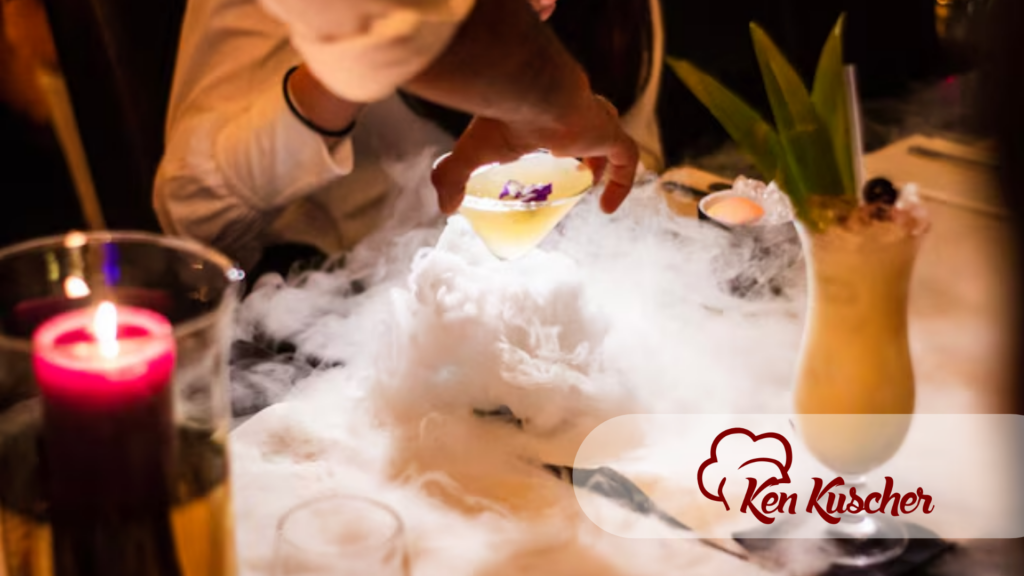
Whether it’s flames from a flambé cart, sushi made to order by a personal chef, or dry-ice cocktails that fog up the table, diners want to see the magic happen. This trend turns food prep into part of the show.
3. Interactive Tech
QR code menus were just the beginning. Restaurants are beginning to incorporate augmented reality (AR) menus, digital projections, and gamified experiences into their dining rooms.
Imagine pointing your phone at a cocktail menu and seeing a 3D animation of the ingredients dancing on your screen.
4. Storytelling Through Menus
Menus are no longer just lists of dishes, they’re narratives. Restaurants are using storytelling to connect the guest with the origins of their ingredients, the traditions behind the recipes, and the personalities of their chefs.
This connection adds emotional richness to the experience and greater customer loyalty.

The Role of Staff: Ambassadors of Experience
Front-of-house staff are no longer just order-takers; they’re curators of atmosphere and facilitators of memory. A warm smile, a well-timed joke, a customized recommendation they all become part of the dining experience. In fact, many diners remember an exceptional server’s name long after they’ve forgotten what they ordered.
Great staff play a pivotal role in transforming an ordinary meal into an extraordinary experience. They set the tone from the moment guests arrive and often serve as the key touchpoint for storytelling, personalization, and human connection. Whether it’s recommending a favorite dish with genuine excitement or remembering a returning guest’s preference, these gestures add emotional weight to the meal.
Experiential dining also puts new demands on restaurant teams. Staff must be trained in soft skills like empathy, timing, and engagement, as well as hard skills like upselling without pressure and ensuring seamless table management. In high-concept restaurants, staff may even take on roles like narrators or characters, guiding guests through a themed or multi-sensory journey.
Of course, hospitality excellence still requires operational reliability. Ensuring team members are trained in proper food handling and safety standards is non-negotiable. Many restaurants, especially in Florida, rely on resources like the Florida food handlers card to maintain trust while delivering standout service.
When service is done right, staff elevate the entire experience. They become storytellers, memory-makers, and the most memorable part of the night. Their influence can turn a satisfied customer into a loyal brand advocate.
Balancing Experience With Operational Realities
Of course, not every restaurant can afford a Michelin-star sensory extravaganza. But experiential dining isn’t about extravagance, it’s about intentionality.
The truth is, even a modest café can create magic with a little creativity and attention to detail. While larger chains might implement tech-heavy or design-intensive concepts, independent restaurants can achieve just as much impact with personal touches and thoughtful execution.
Rather than overhauling the entire restaurant, operators can take small but strategic steps to improve the guest journey and create memorable moments. These changes can be low-cost but high-impact:
- Curating playlists that reflect the restaurant’s vibe or story
- Offering handwritten thank-you notes or personalized touches
- Celebrating milestones for returning guests
- Incorporating seasonal elements into the design or menu
These touches not only enhance the experience but also help build a loyal customer base that feels seen, heard, and appreciated. And in an increasingly competitive industry, that loyalty is gold.
It’s also important to consider backend support. Innovative experiences must be balanced with smooth operations, well-trained staff, and safety compliance. For example, ensuring every team member has their food handler certificates Florida helps maintain service quality and avoid legal complications.
Experiential dining doesn’t need to disrupt your budget or operations, it should enhance them. By aligning creativity with compliance, and emotion with efficiency, restaurants can deliver experiences that are as practical as they are powerful.
The Safety and Compliance Factor
As restaurants invest in more theatrical or immersive experiences, food safety and compliance must still be front and center. In Florida, where tourism and dining intersect heavily, proper certifications are key to avoiding risk.
Many restaurant owners are proactively using tools like the Florida food handlers card to keep their teams compliant and up-to-date. Even when customers are wowed by your ambiance, a single incident of foodborne illness can damage trust overnight.
And in some cases, operators may also need the support of a food service expert witness to navigate legal claims or health department scrutiny in more complex scenarios.

Three External Resources to Help You Adapt
If you’re ready to evolve your restaurant’s experience but want to do it smartly, here are three excellent resources to guide your planning:
- FDA’s Food Code – This is a must-read for operators serious about integrating safety and innovation.
- U.S. Small Business Administration (SBA) – Offers financial and planning support for restaurants looking to upgrade or innovate.
- National Restaurant Association – Regularly publishes consumer trend reports, research, and training resources.
These organizations offer best practices for keeping both the wow and the how of your restaurant balanced.
What This Means for the Future of Food Service
The movement toward experiential dining signals a deeper cultural trend: people want meaning in everything they do including what they eat.
This opens the door for restaurateurs to become not just providers of meals, but creators of moments.
And that shift doesn’t just benefit the guest, it benefits the industry.
By focusing on experience, restaurants can:
- Boost customer retention
- Encourage organic word-of-mouth and online sharing
- Justify premium pricin
- Stand out in saturated markets
Of course, these gains only come when operational excellence matches experiential creativity. Ensuring proper training and certification for all team members, especially in a competitive market like Florida is a vital step. Tools like Florida food handler certificates best price empower operators to do just that without breaking the bank.
How Ken Kuscher Supports the Experience Economy
While the conversation today is about atmosphere, interactivity, and emotion, the behind-the-scenes support still matters deeply. Ken Kuscher provides:
- Fast and affordable food handler certificates Florida
- Expert testimony through services like restaurant expert witness support
- Consulting for food safety expert needs
So while you focus on giving your guests a magical night out, we focus on making sure you’re protected, certified, and prepared.
The Bottom Line: Meals Are TemporaryMemories Last
In an age of automation and instant gratification, dining is one of the few experiences that still engages all five senses and brings people together.
Restaurants that understand this and intentionally design experiences around emotion, storytelling, and personalization will be the ones that rise above the noise.
The question for every operator is no longer “what’s on your menu?”
It’s “what will your guests remember?”
Florida Food Handler Certificates
Avoid fines by ordering your Florida Department of Business and Professional Regulation-approved Food Worker Program certificates today. They’re available for just $4 each. Program #5552749.
Place your order online here. For additional information, you can call (561) 703-7196.
***Please note that the insightful and engaging content provided on our platform is crafted by our dedicated Marketing Department’s content writing team. While Ken Kuscher is the esteemed figure and expert within our industry, the articles and blog posts available are not personally authored by Ken.