
Something significant has shifted in the way Americans plan their travel, and the hotel restaurant is at the center of it. For decades, the dining room attached to a hotel was treated as a convenience, a fallback for tired travelers who didn’t feel like venturing out, a place to grab breakfast before a morning meeting. The food was predictable, the atmosphere was forgettable, and nobody planned their trip around it.
That era is over.
In 2026, hotel restaurants are not just competing with the best independent dining in their markets, they are becoming the reason people choose a destination in the first place. New reservation data and fresh consumer research released this summer make the case definitively: hotel dining is rising, and the numbers behind the trend are striking enough that every food service operator, hotel manager, and hospitality professional in the country should be paying attention.
This is not a niche shift happening at a handful of luxury properties. It is a broad, consumer-driven movement reshaping how Americans think about travel, food, and the relationship between the two, and it is happening right now.
The Numbers That Tell the Story
The data released this summer paints a clear and compelling picture of where hotel restaurant dining stands in 2026.
Reservations at hotel restaurants are up 13% year-over-year among travelers, and up 7% across all diners, including locals who aren’t staying at the property. Those are meaningful growth numbers in an industry where single-digit gains are celebrated. The direction of travel is unambiguous: more people are choosing hotel restaurants, more often, and with more intention than at any point in recent memory.
The consumer research behind the data is even more revealing. Sixty-one percent of Americans have chosen a travel destination specifically because of its food or restaurant scene. Not its beaches. Not its museums. Not its proximity to family or business obligations. Its restaurants. More than six in ten Americans are letting food drive their travel decisions, a figure that would have been almost unthinkable a generation ago and speaks to a fundamental shift in how dining fits into the American conception of a worthwhile trip.
Among travelers planning travel this summer, 60% have booked a hotel specifically because of its restaurant. Half of Americans have done this at least once. As one hospitality industry leader put it, restaurants aren’t just an itinerary line item anymore, they’re the anchor. The restaurant is the reason for the room, not the other way around.
And the audience for hotel restaurants has expanded dramatically beyond hotel guests themselves. Ninety-two percent of consumers have dined at a hotel restaurant when they were not staying at the hotel, treating the dining room as a standalone destination rather than an amenity available only to guests. That statistic fundamentally reframes what a hotel restaurant is. It is not a captive audience play. It is a full-market dining concept that happens to be located inside a hotel.
Why This Is Happening Now
The rise of hotel dining didn’t emerge from nowhere. It is the product of several converging trends that have been building for years and have now reached a tipping point.
The first is the elevation of food as a cultural priority. Sixty-one percent of Americans choosing travel destinations based on food is not an accident, it reflects a generation of consumers who have grown up with food media, chef-driven culture, and the deeply held belief that eating well is one of the most meaningful ways to experience a place. The “foodie traveler” is no longer a niche persona. It is the mainstream American traveler in 2026.
The second is the dramatic improvement in the quality and ambition of hotel restaurant concepts themselves. For years, hotel food and beverage was seen as a convenience, an amenity bolted onto the main business of selling rooms. That era is officially over. The entire industry has pivoted. Hotel dining is transforming from a necessity into a core experience, driving revenue, brand identity, and guest satisfaction. Hotels are no longer building bland dining rooms, they are curating distinct culinary concepts with serious chefs, genuine creative vision, and menus that can stand on their own merits against the best independent competition in the market.
The third is the emergence of the hotel restaurant as a “third space”, a place that belongs as much to the local community as it does to overnight guests. Hotel restaurants are becoming vibrant hubs that encourage locals to linger and connect. The bar seat is becoming the most coveted spot in the house, driven by creative, thoughtful beverages and elevated small plates designed for social interaction. When a hotel restaurant successfully captures both the traveler market and the local regular market simultaneously, it unlocks a revenue model that is more resilient and more dynamic than either audience alone could support.
The Guest Who Books the Restaurant First
Understanding the consumer driving this trend requires understanding how travel planning has fundamentally changed.
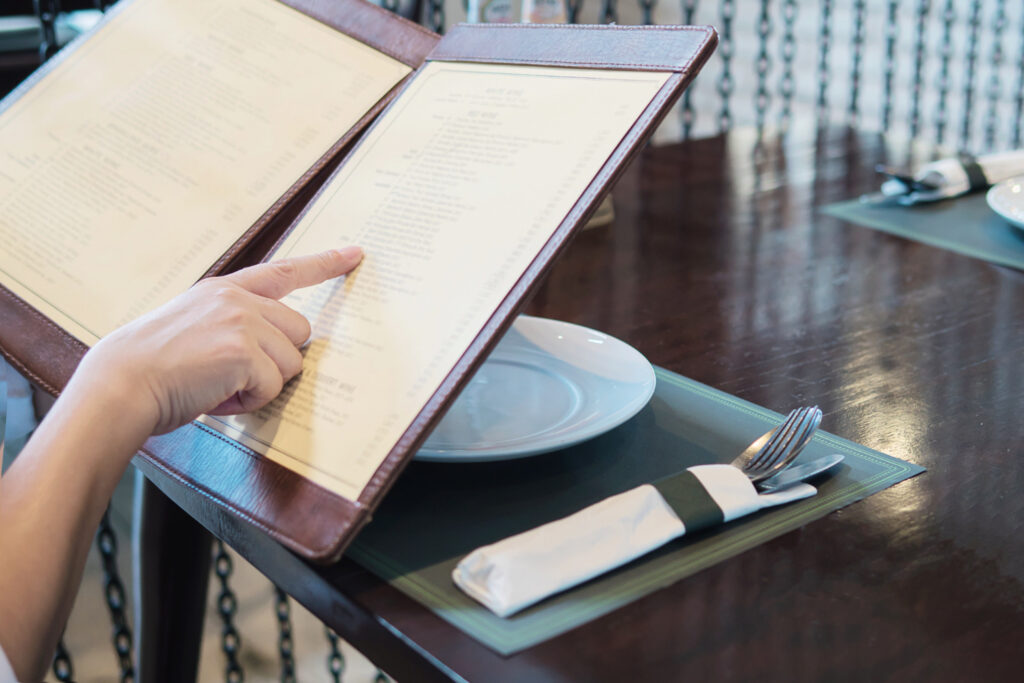
The traditional travel planning sequence went: decide on a destination, find a hotel, figure out where to eat once you arrive. The new sequence, for a significant and growing segment of American travelers, is: decide where you want to eat, find a hotel near that restaurant, and build the rest of the trip around the dining experience.
This inversion is more than a curiosity, it has profound implications for hotel operators and restaurant operators alike. A hotel whose restaurant generates genuine destination-level demand is not just selling rooms, it is selling an experience that fills both the dining room and the floors above it. The restaurant becomes a marketing asset for the entire property, attracting guests who might otherwise have chosen a competitor and converting dining guests into future hotel guests when they return to the city.
For the traveler, the logic is straightforward. When dining out feels like a special treat rather than a regular habit, as it increasingly does for American consumers navigating a tighter spending environment, every meal carries more weight. A great restaurant experience is no longer just dinner. It is one of the primary memories of the trip. Travelers are willing to plan entire itineraries around that experience, and the hotels that provide it are capturing demand that others are simply not positioned to compete for.
The U.S. Travel Association publishes ongoing research on American travel behavior, spending patterns, and the factors that influence destination selection, a valuable resource for any hospitality operator trying to understand the traveler mindset driving the hotel restaurant boom.
What Hotel Restaurants Are Getting Right
The hotel dining concepts that are rising to the top in 2026 share a set of characteristics that distinguish them from the generic hotel restaurant of the past, and that any food service operator can learn from regardless of whether they operate inside a hotel.
They lead with genuine culinary identity. The most successful hotel restaurants in 2026 are not trying to please everyone with a sprawling menu of safe choices. They have a clear culinary point of view, a cuisine, a sourcing philosophy, a flavor profile, a chef’s voice, that communicates confidence and gives guests a reason to specifically seek them out. Global and regional flavors are prominent, with menus that ground the dining experience in a sense of place while offering the quality and creativity that sophisticated travelers expect.
They treat the bar as a destination in itself. The bar revival happening inside hotel restaurants reflects a broader truth about how modern diners want to spend their time and money. A thoughtfully designed bar program, with creative cocktails, elevated non-alcoholic options, and small plates designed for lingering, creates a revenue center that operates independently of the dining room and captures guests at a variety of occasions and spending levels. The bar seat, in many hotel restaurants, has become the hardest table to get.
They engage the local community as actively as they engage hotel guests. The 92% figure, the share of consumers who have dined at a hotel restaurant without staying at the property, represents an enormous local market opportunity that many hotel operators have historically underserved. The hotel restaurants that are winning in 2026 understand that their dining room belongs to the neighborhood as much as it belongs to their guest rooms, and they market, staff, and program accordingly.
They make the experience worth talking about. Guests in 2026 aren’t just buying food, they’re buying a memory. Experiential dining is central to the hotel restaurant renaissance, blending the meal with entertainment, culture, and connection. Interactive elements, chef-driven moments, seasonal menus that reflect a genuine relationship with local producers, these are the details that generate the word-of-mouth and social sharing that drive both hotel bookings and restaurant reservations.
What This Means for the Broader Food Service Industry
The rise of hotel dining is not an isolated trend, it is a signal about where consumer expectations for the overall dining experience are heading, and it carries lessons for every food service operator in the market.
The first lesson is that food is now a travel driver, not just a travel amenity. Any restaurant that can position itself as a destination, as a place worth planning a visit around, has access to a significantly larger potential audience than one that relies purely on local traffic. Independent restaurants in tourist markets, food halls in travel-adjacent locations, chef-driven concepts in cities that attract visitors, all of these can apply the hotel restaurant model of attracting guests who are specifically seeking out their experience.
The second lesson is that the community-destination model is the most resilient business model in modern dining. A restaurant that serves both travelers and locals, that has reasons to visit for the guest passing through and reasons to return for the neighbor who lives nearby, is insulated from the seasonality and volatility that purely tourist-dependent or purely local-dependent concepts face.
The third lesson is that quality and authenticity are the only sustainable competitive advantages. The hotel restaurants leading this resurgence are not winning on price or convenience. They are winning because they are genuinely good, because their food, their atmosphere, their service, and their identity are compelling enough to make guests choose them over every other option available. In a market where consumers have more information and more choices than ever before, that distinction is everything.
The American Hotel and Lodging Association provides research and resources on the intersection of hospitality, food and beverage, and the guest experience, an important reference for operators navigating the convergence of hotel and restaurant industries.
Florida’s Hotel Restaurant Opportunity
For Florida food service operators, the rise of hotel dining represents one of the most direct and immediate opportunities in the current market.
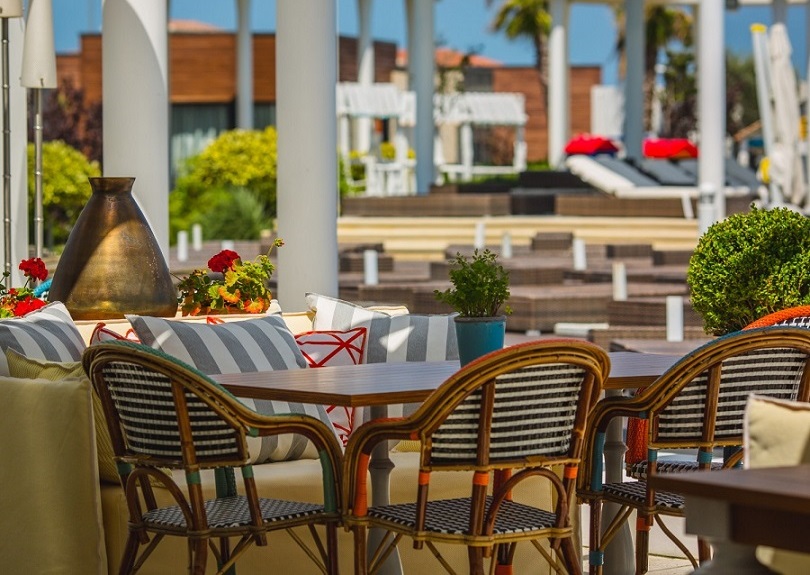
Florida is one of the most visited states in the country. Its combination of year-round tourism, business travel, international visitors, and a large base of residents who treat dining out as a lifestyle rather than an occasional event creates exactly the conditions under which hotel restaurants thrive. The travelers arriving in Miami, Orlando, Tampa, Jacksonville, and Florida’s resort markets are precisely the demographic driving the national hotel dining trend, they are food-motivated, experience-seeking, and willing to spend meaningfully on meals that are worth remembering.
For hotel food and beverage operators in Florida navigating the staffing, compliance, and operational demands of a rising-demand environment, having the right infrastructure in place is essential. Ensuring your entire food service team holds valid florida food handlers card is a foundational requirement that becomes even more critical as guest volumes increase and the scrutiny on food service operations intensifies. A certified team is a more confident team, and in a hotel dining environment where the experience is the product, the confidence and competence of every team member is directly visible to every guest at every table.
Getting your team certified at florida food handler certificates best price is one of the most accessible and highest-return investments a Florida hotel food and beverage operator can make heading into the second half of 2026.
The Florida Department of Business and Professional Regulation’s Division of Hotels and Restaurants oversees licensing, inspections, and compliance for food service operations across the state, a critical resource for any hotel restaurant operator ensuring their operation meets Florida’s specific regulatory requirements.
The Restaurant as the Reason
The headline finding from this summer’s hotel dining data is simple and worth sitting with: half of Americans have booked a hotel specifically because of its restaurant. The restaurant is the reason for the room.
That shift in consumer behavior is a profound validation of what the best food service operators have always believed, that a truly great dining experience is worth traveling for, worth planning around, and worth paying more for. The hotel restaurant has simply become the most visible current expression of that truth.
For independent operators, hotel food and beverage professionals, and anyone working in the food service industry in Florida and beyond, the message from this data is clear. Guests are choosing where they sleep based on where they want to eat. The restaurant is no longer an amenity. It is an anchor. And the food service operations that understand that, and build their concepts, their teams, and their compliance infrastructure accordingly, are the ones that will be capturing that demand long into the future.
When complex legal or compliance situations arise in hotel food and beverage operations, as they inevitably do in high-volume, high-expectation environments, having a qualified food service expert witness with deep food industry knowledge is invaluable. Ken Kuscher serves as a trusted florida food expert witness and recognized food safety expert, helping operators, hotel management teams, attorneys, and food industry businesses across Florida navigate complex challenges with authority and precision.
The hotel restaurant’s moment has arrived. The travelers are booking the restaurant first. The only question is whether the experience waiting for them lives up to the promise that brought them through the door.
Florida Food Handler Certificates
Avoid fines by ordering your Florida Department of Business and Professional Regulation-approved Food Worker Program certificates today. They’re available for just $4 each. Program #5552749.
Place your order online here. For additional information, you can call (561) 703-7196.
***Please note that the insightful and engaging content provided on our platform is crafted by our dedicated Marketing Department’s content writing team. While Ken Kuscher is the esteemed figure and expert within our industry, the articles and blog posts available are not personally authored by Ken.